

Key Takeaways
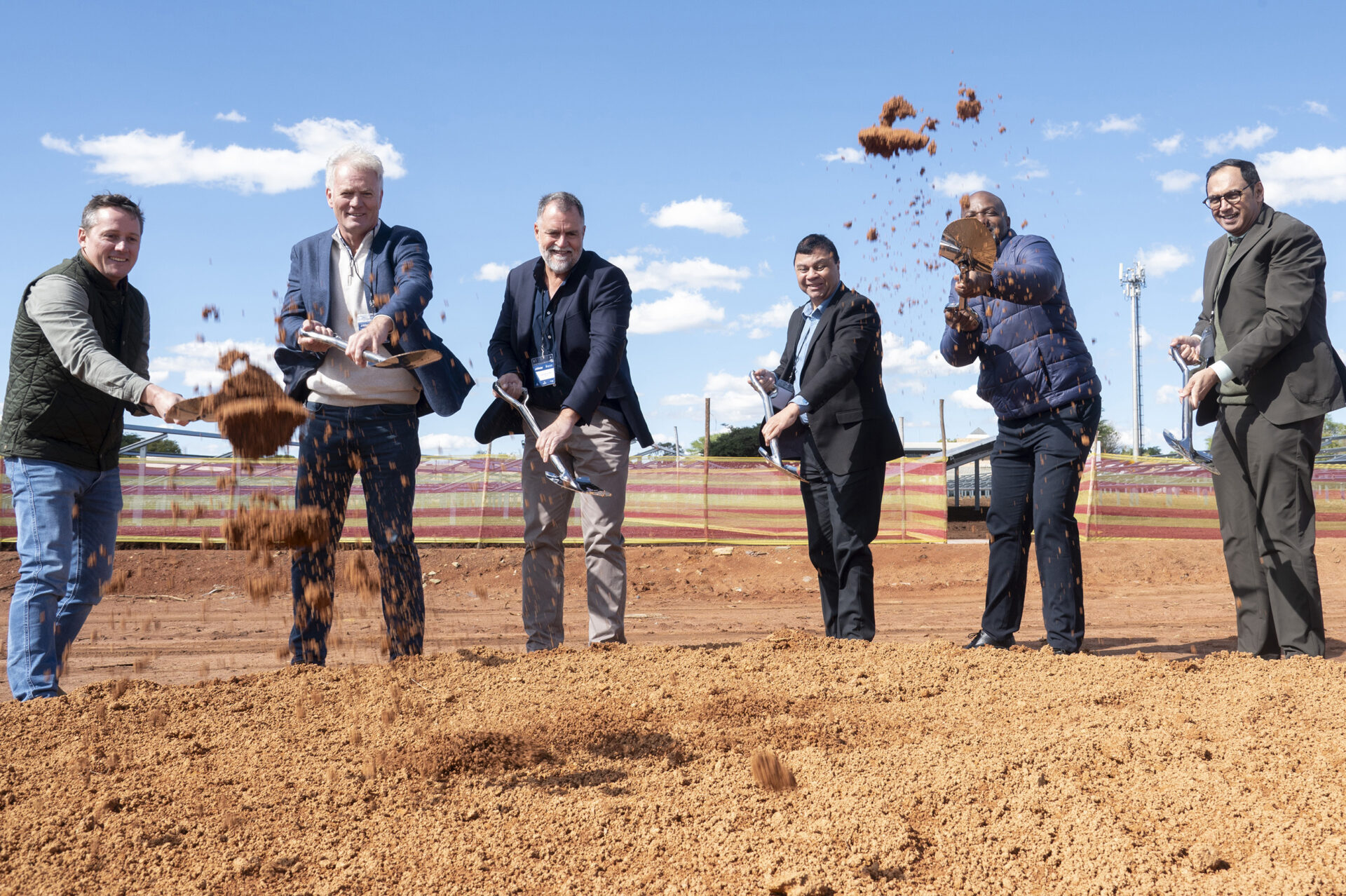
- Construction began on Richmond Corner, the dedicated retail center within Atterbury’s expanding Richmond Park development in the Western Cape.
- The opening date was scheduled for March 2020, strategically timed after the commercial side of the park and surrounding infrastructure were sufficiently advanced to ensure retail viability.
- The center is located on the highly visible corner of Plattekloof Road and Tyger Valley Road, offering convenient highway access for local residents, park businesses, and commuters.
- Richmond Corner secured a 95% pre-let status ahead of construction, featuring 20 shops anchored by Pick n Pay, Clicks, and Woolworths Food alongside drive-throughs and a coffee shop.
- The leasing strategy intentionally focused on sourcing strong, well-known local tenants for the smaller line shops to reinforce community involvement.
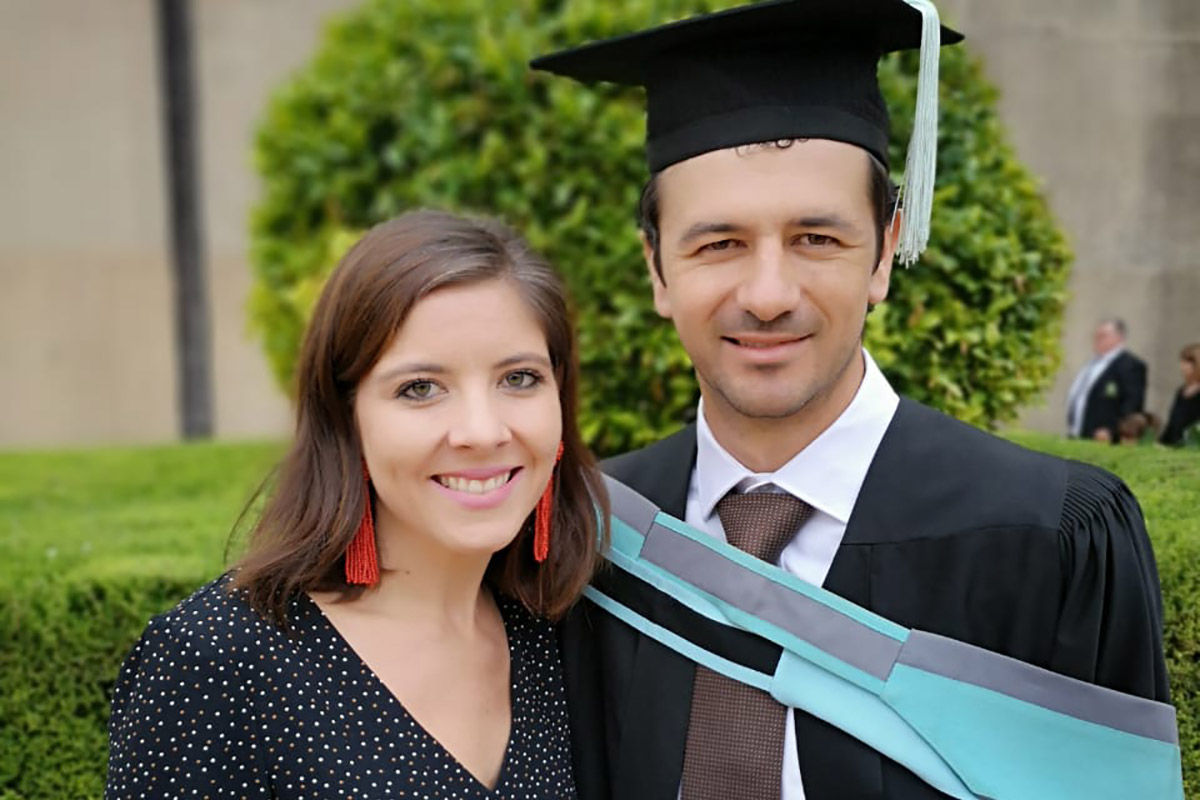
Atterbury project manager Wikus Engelbrecht tackled the difficult task of going back to varsity and tackling a post-graduate qualification part-time, while working full time. Three years on, he has just graduated with a master’s degree in real estate. He shares some of his learnings and insights.
How long have you been working with Atterbury, and in what capacity?
I started at Atterbury in 2016. I assisted in development management for two years and have been consulting with Atterbury Trust and the asset management division as a project manager.
Congratulations on obtaining your master’s degree! How long had it been since you had last studied? Was it as difficult going back as we imagine?
Thank you! It took some time, but luckily, I had a lot of support. I last studied when I did my BSc Hons degree in construction management, which I finished in 2010. To sit down behind the books was indeed difficult, but all the course work was interesting and real estate is my passion, which helped motivate me to put in those extra hours. I do recommend, though, to get it in the bag before having a first baby!
What motivated you to tackle this qualification? Was it a full-time endeavour or did you do it part-time while working?
It was a case of wanting to further my career, while also following my true passion.
I’ve been intrigued with property since I can remember, but when I first went to varsity after school no South African university offered a real-estate degree. Today it is available at the Construction Economics department of the University of Pretoria and I was able to do it part-time while I continued working, which was such a privilege.
What was the subject of your thesis, and what were the specific areas or questions that you focused on in your research?
After changing the direction of research for my thesis three times, I decided to delve into the management of real-estate assets. My topic was “Internal versus External Asset Management”, and I looked at the pros and cons of each management style and which suits different real-estate companies best.
The field of asset management keeps evolving and being immersed in academic research must have brought some very interesting new insights as you investigated latest trends. Can you share any highlights?
The asset-management arena has definitely evolved in recent years. Whereas landlords 40 years ago basically gave their properties a fresh coat of paint every few years and knocked on your door to collect the rent, asset management today is a science in itself. Funding, finance and management structures are tailored to different property portfolios and management teams combine some of the best financial, technical and legal minds. Asset management is a separate business with many companies focusing on enhancing the values of properties and specialising in property-management best practices.
No doubt your Atterbury experience informed some of what you brought to the table, and possibly influenced the way you approached certain aspects of your studies? Does this resonate at all?
Absolutely. After discussing my previous topic with our group CEO, he steered me in the direction of the topic I eventually settled on. Atterbury has taught me 90 percent of what I know about the real-estate industry. After some interviews with key members on the Atterbury team I had a much better overall understanding of my research topic and this helped me steer my research in the right direction.
How do you foresee implementing what you learnt? Are there areas of learning in particular that you look forward to bringing into your work?
I learnt key principles about property valuations, management and feasibility studies that I can use in my career going forward. One of the main lessons I learnt in my studies is that there is always more to learn and better ways to approach any project or task.
What was the biggest challenge for you during the three years of buckling down?
Without a doubt to balance work, family and social life. I am also keen on exercising and it was difficult to find time for it. Fortunately, my wife was very supportive of my studies and kept the house going.
Any tips for mature students who are considering going back for an extra qualification?
Do it quickly, put in the hours and do not procrastinate. It is not a comfortable life for a few years but definitely worth it in the end!