

Estimated Reading Time: 10 minutes
Key Takeaways
- Atterbury’s adaptive reuse delivers measurable social, environmental, and investment benefits in South Africa.
- Strategic refurbishments, conversions, and extensions create vibrant mixed-use precincts and uplift communities.
- Sustainable design and site selection underpin lasting value for cities and investors.
- Robust project management and compliance are essential for property development companies in South Africa.
Introduction
Urban renewal and adaptive reuse are reshaping South Africa’s property development landscape, allowing older spaces to be transformed for contemporary business and community needs. Atterbury, a leader among property development companies in South Africa, specialises in converting, extending, and refurbishing legacy buildings into dynamic, multipurpose assets. Their approach is rooted in tailored design, rigorous sustainability standards, and a proven portfolio of successful redevelopment projects.
Atterbury’s Adaptive Reuse in Action
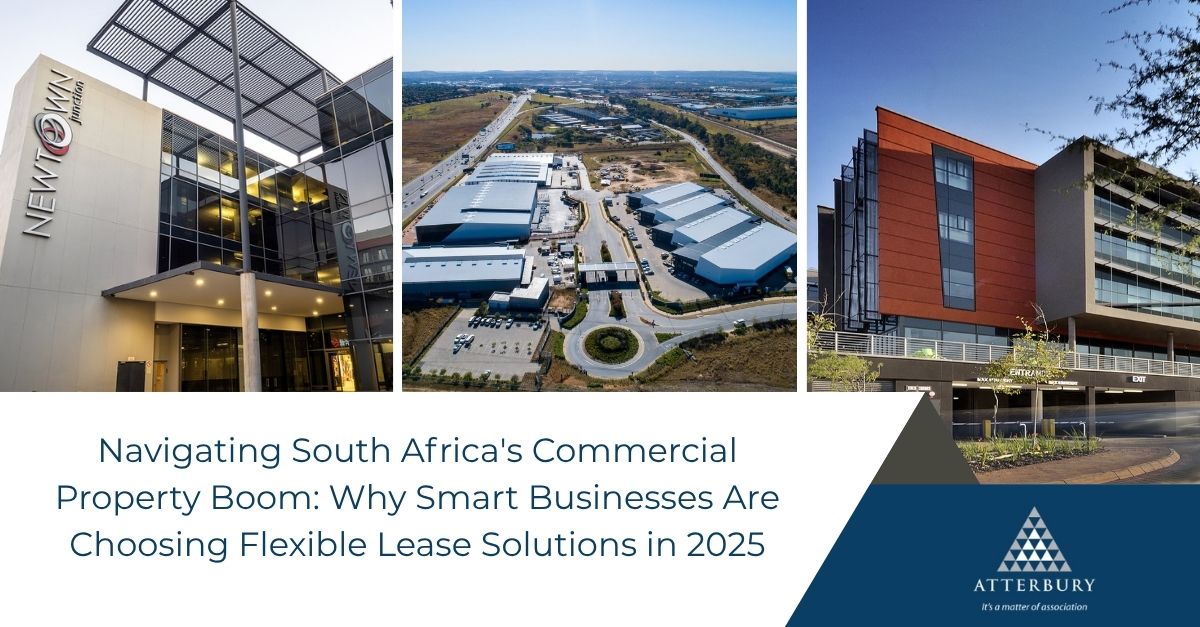
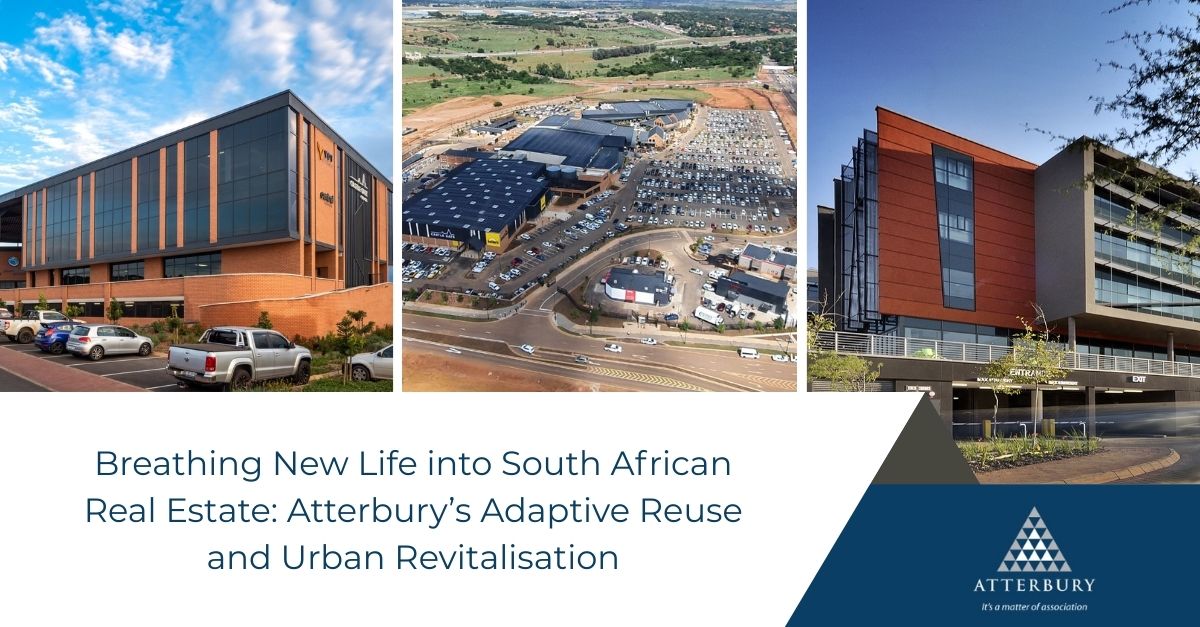
Atterbury’s expertise in adaptive reuse and refurbishment is especially visible in landmark projects across South Africa. In Johannesburg, the Newtown Junction redevelopment stands as a flagship property development, revitalising historic structures (including the original Potato Sheds) into an award-winning mixed-use hub with over 20,000 square metres of retail space, 54,185 square metres of offices, a hotel, gym, and more than 2,500 parking bays. This development celebrates local heritage, integrating Edwardian railway architecture and cultural venues, and has catalysed new job creation and social vibrancy in the CBD.
Richmond Park in Cape Town showcases Atterbury’s urban transformation expertise, where underused land was converted into a major commercial and distribution campus, stimulating regional economic growth while balancing greenfield property development with strong environmental stewardship. In Pretoria, the Old East Precinct and Castle Gate Precinct further demonstrate multi-phase redevelopments centred on integrated design, adaptive reuse, and community activation. Each of these interventions reflects Atterbury’s commitment to sustainable conversions, robust extensions, and the revitalisation of South Africa’s cities.
Benefits for Investors, Communities, and the Environment
Adaptive reuse led by Atterbury brings advantages that reach well beyond sustainability. Investors enjoy lower upfront costs and reduced project risk, as refurbishing and converting existing buildings can be more efficient than constructing entirely new ones in the South African market context. Redeveloped sites such as Newtown Junction have shown resilient rental yields and improved occupancy. Local communities are uplifted as neglected spaces become economic centres, public amenities, and cultural attractions. Environmental impacts are minimised by reducing construction waste, conserving resources, and preserving architectural diversity, helping cities retain their distinctive character.
Getting Started: How Property Development Companies Succeed
Success in property development requires architectural innovation alongside regulatory compliance and financial rigour. Atterbury exemplifies industry leadership by managing every stage of the development journey, from strategic site acquisition to conversion, extension, and tenant activation. Projects such as Barlow Park in Johannesburg and Village Walk in Pretoria demonstrate how adaptive reuse and redevelopment meet contemporary market needs and community goals while delivering reliable returns. Collaboration with top architects and local authorities ensures each property development supports urban vibrancy and sustainable growth.
FAQ
Q1: What is adaptive reuse in property development?
Adaptive reuse refers to repurposing and upgrading old buildings such as Atterbury’s work in Newtown Junction and Village Walk for new, relevant uses that support urban growth.
Q2: Why does adaptive reuse matter to South Africa’s real estate future?
It enables environmentally responsible development, enhances economic resilience, and preserves cultural heritage, making cities more sustainable and liveable.
Q3: How does Atterbury deliver successful refurbishments and redevelopments?
Atterbury’s strength as a property development company lies in thorough project management, strategic partnerships, and design that is focused on community benefit and commercial viability.
Conclusion
Adaptive reuse and urban revitalisation are increasingly vital to South African property development. Atterbury’s real-world portfolio demonstrates its industry-leading skill in conversions, refurbishments, and extensions, establishing enduring value for investors, communities, and urban environments. For owners, investors, and partners seeking leadership in sustainable property development, Atterbury’s projects exemplify how progressive property development companies in South Africa are shaping the future of cities and commerce.