

In 2016 Atterbury signed a landmark deal with the Erasmus Trust for a multibillion-rand mixed-use development on the last remaining portion of the historical Waterkloof farm on which Pretoria was built. Labelled early on as the Waterfall City of Pretoria, this exciting joint venture between Atterbury and the Erasmus family, to be called Castle Gate, is now ready to kick off. James Ehlers shares the details
What has been happening in the time since the deal was signed? Were there specific complications to manage because of the historical nature of the land?
Since the deal was signed we have been busy with the environmental assessments and the town-planning processes. We have also been finalising the road and infrastructure designs. These have now been completed and we will begin construction of the first phase early in the new year.
How big exactly is the parcel of land in question, and from a development perspective, what makes it so attractive, and so ready for development?
It is 65 hectares, probably the most well located big piece of land left in Pretoria. The size means that we can construct a major mixed-use development that is ideally located with excellent access and visibility from two major highways (the N1 and the R21). The travelling times from the site to the Pretoria CBD is no more than 15 minutes, and it is only 20 minutes to OR Tambo and 10 minutes to the new east and Menlyn node.
Can you share the partners’ vision for Castle Gate? How similar will it be in scope to Waterfall City, to which it has been compared?
The site is a bit smaller than Waterfall but will be able to house a very similar user profile. It is also an in-fill development and is therefore able to cater for tenants before its future phases are developed. We already have so much interest in the project that we don’t see the development programme being very long, especially for a project of this size.
Can you share the scope of each of the mixed-use elements that are planned? How big a community do you anticipate creating here, and who is the target audience?
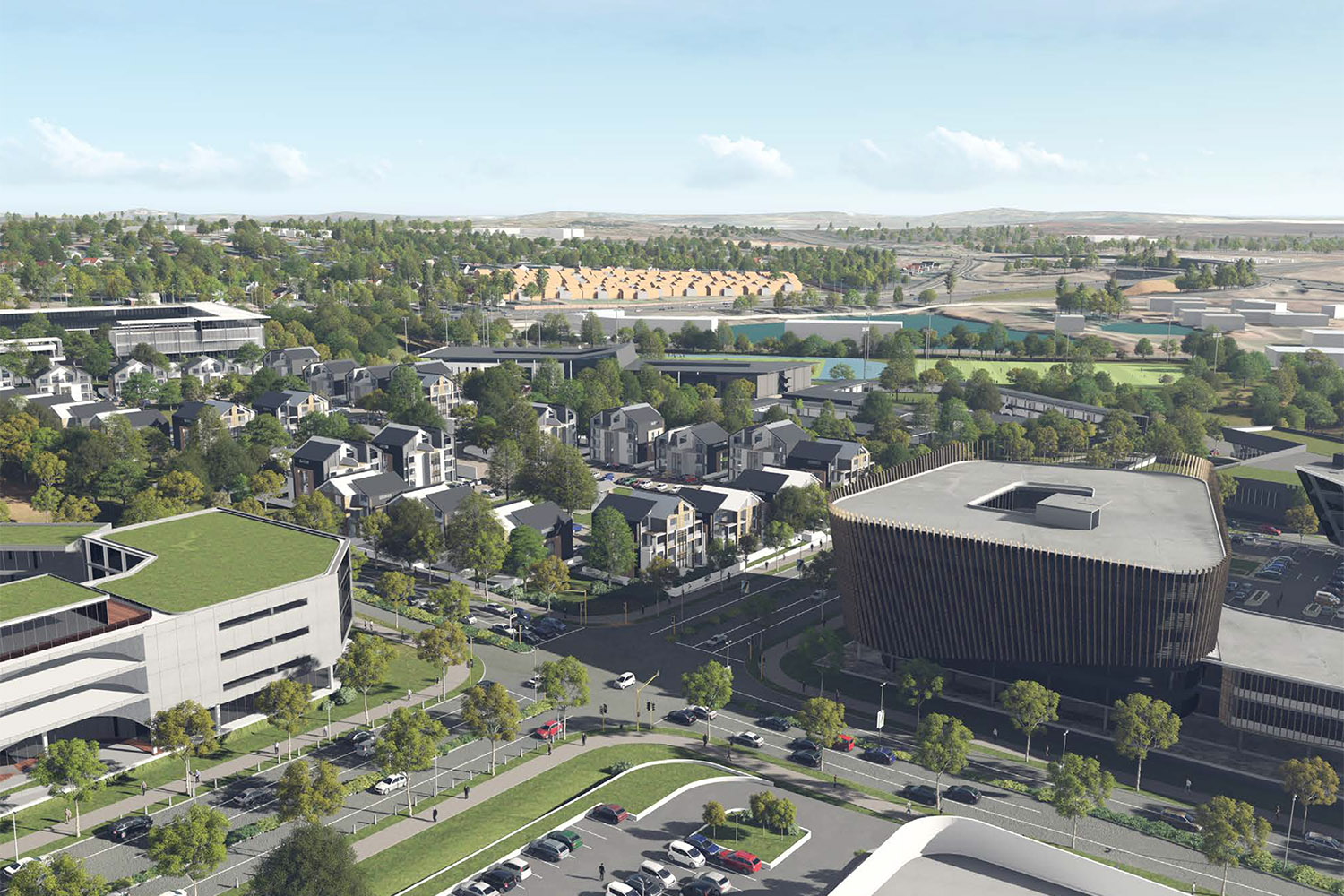
The first phase consists of a 23 000 sqm lifestyle shopping centre, a 4 000 sqm office block and a gym. The shopping centre is planned to have an open-air restaurant area and a parklike feel. A medical precinct will make up the rest of the first phase. We are in talks with a group of private hospitals that plan to put together a cluster of five specialist hospitals. The location of this development is absolutely ideal for this type of use. As for office space, we have around 85 000 sqm planned and are already in talks to finalise the first buildings. The last component of the development will be residential, comprising about 1 200 housing units.
Are there any plans to incorporate the history of the site, which we believe was settled by the first Erasmus ancestor in the mid-1800s after the Great Trek, and which was a dairy farm until fairly recently, into the design of any of the architectural elements?
We are acknowledging the history with the name of the development, which refers to the well-known “Castle”, which was the original family dwelling. There are a number of developments that have taken this on and the area is often referred to by that reference. The architecture however is of a more modern style.
Is the plan that Castle Gate also eventually incorporates corporate head-office buildings such as that of PWC at Waterfall City?
We are talking to a number of big corporate tenants as well as government departments that could possibly take up space in the development.
What happens next?
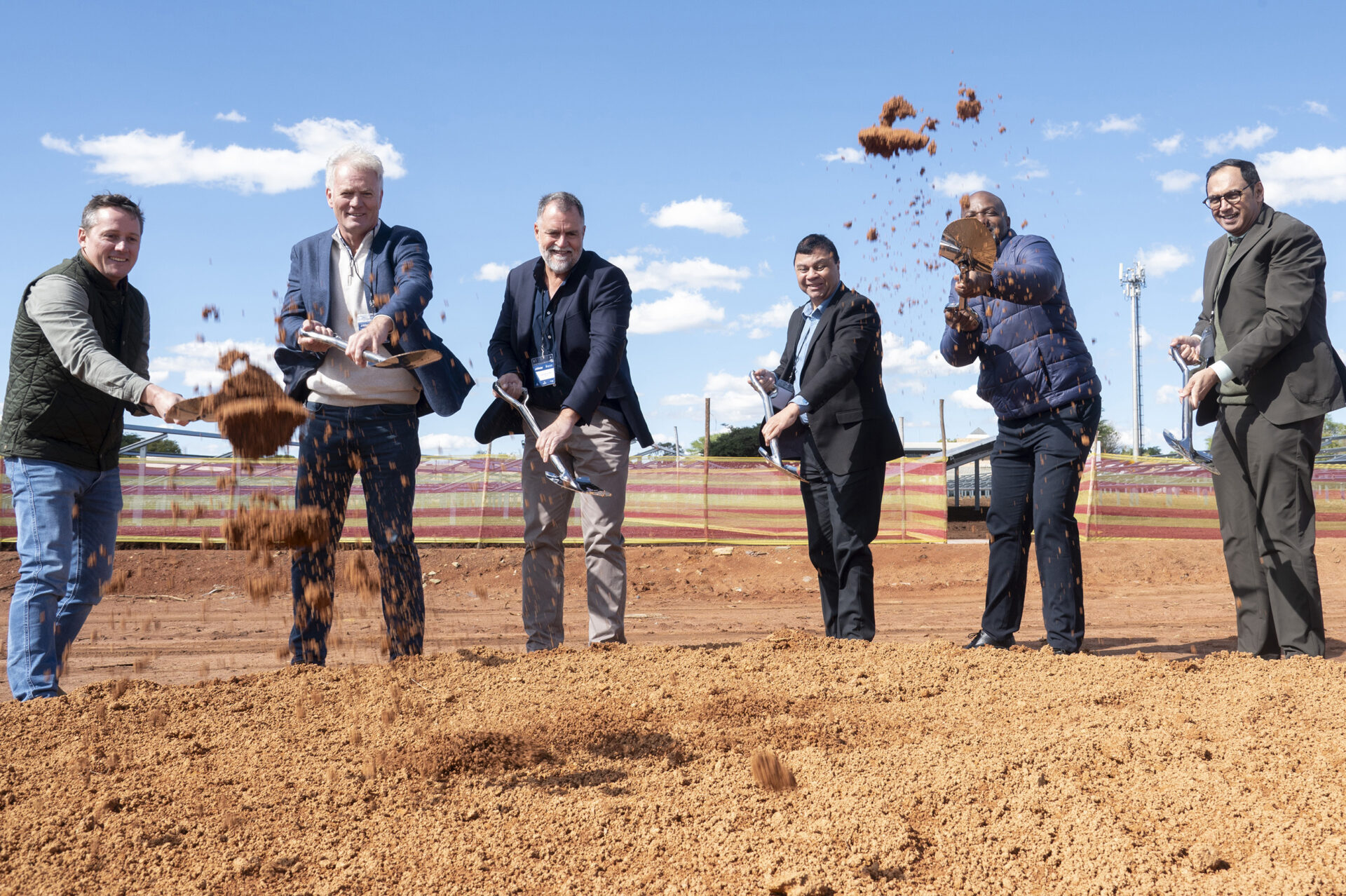
We will break ground early in the new year with the shopping centre.
Can you take us through the timelines for the development, from start to projected completion?
The shopping centre is planned to open in October 2020. The rest of the development starts in phases towards the end of next year with the first smaller buildings also being completed around the same time as the shopping centre. The whole development could be completed in the next five years.