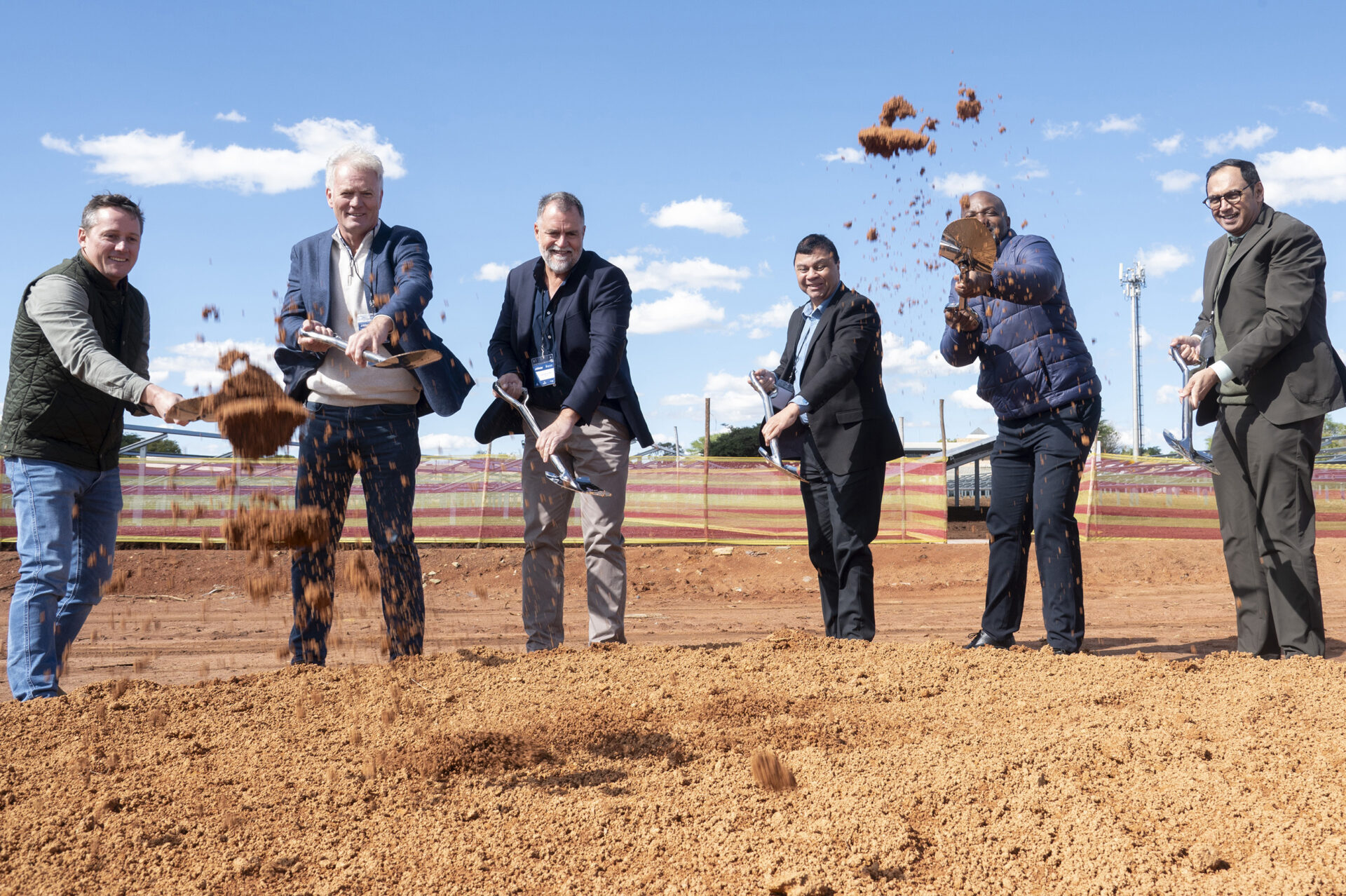



Uplifting the community has been central to the thinking around Atterbury’s massive Richmond Park development in the Western Cape and early this year the new independent trust, the Richmond Park Treasury Trust, kicked off its work. Zahn Hulme gives some insight into what is planned for 2016.
Atterbury already has Atterbury Trust; and a separate trust has been formed to look after the Richmond Park community. Why is that?
In terms of the Richmond Park development agreement a separate trust that benefited the community had to be created. Representatives from the community, the developer as well as independent players need to be appointed as trustees, to oversee and execute the social-responsibility objectives of this huge project. An initial investment of R4 million was set aside for the trust, and as soon as the development projects start, 0.5% of the construction cost per project will be allocated to the trust too. We are dealing with a community who has had incredibly limited opportunities since they were forcibly removed from Richmond, and the trust aims to change that, by mentoring, giving bursaries to youngsters who want to study further, and funding community projects that will address unemployment and skills shortages. The trustees include representatives of the Richmond Communal Property Association, community leaders such as local school principals, and myself, as the Atterbury representative.
Have you identified objectives for 2016?
We want to start off a number of projects, and do things properly, so we made a decision to start smaller by rather helping fewer people properly, than to cast the net too wide and be unable to deliver the quality of attention and support we want to.
What was the first order of business when you kicked off this year?
We started with a round of bursary interviews, to identify students for the first bursary intake next year. Through the CPA it was communicated to the community, and we had loads of applications. The panel conducted 40 interviews in total and in the end we settled on 15 promising youngsters who will benefit from the first bursaries in 2016. Some of them were in matric last year, but there are also a few who finished school a year or two ago, and who either already enrolled at a college or university, or could not because of financial constraints.
How did you select them?
As always it was very tough, it’s never nice to turn anyone away. We enlisted the help of a leading expert in Educational Psychology, Prof Kobus Maree from the University of Pretoria, who spent time with all the candidates and conducted exhaustive vocational and aptitude tests to identify the candidates who would benefit most from the bursaries. He made some recommendations to help us allocate the bursaries most beneficially. The trust’s aim is to spread hope by enabling further education and creating role models in the community. Therefore we also looked for candidates who show the best potential to make that kind of difference in future.
Can you give a broad overview of the first crop of Richmond bursary students?
There are eight students who are already studying, and seven who are currently in matric or have been out of school for a year or two. The courses they are interested in are very varied – law, financial accounting, B.Sc and a few who are interested in teaching. The Universities of Stellenbosch, the Cape Peninsula University of Technology in Wellington, West Coast College and Unisa are where they’ll be going. And the majority of them are girls!
Are there plans to already engage these candidates during the course of this year?
The Atterbury Trust does have a mentoring programme for its bursary students and we are investigating the possibilitiy to extend that to include the Richmond students. As part of his involvement with Richmond Prof Maree has already suggested a career-counselling session at one of the schools earlier during their high school careers, and we are hoping to get that implemented .
And aside from the bursary programme, what other projects have been earmarked for this year?
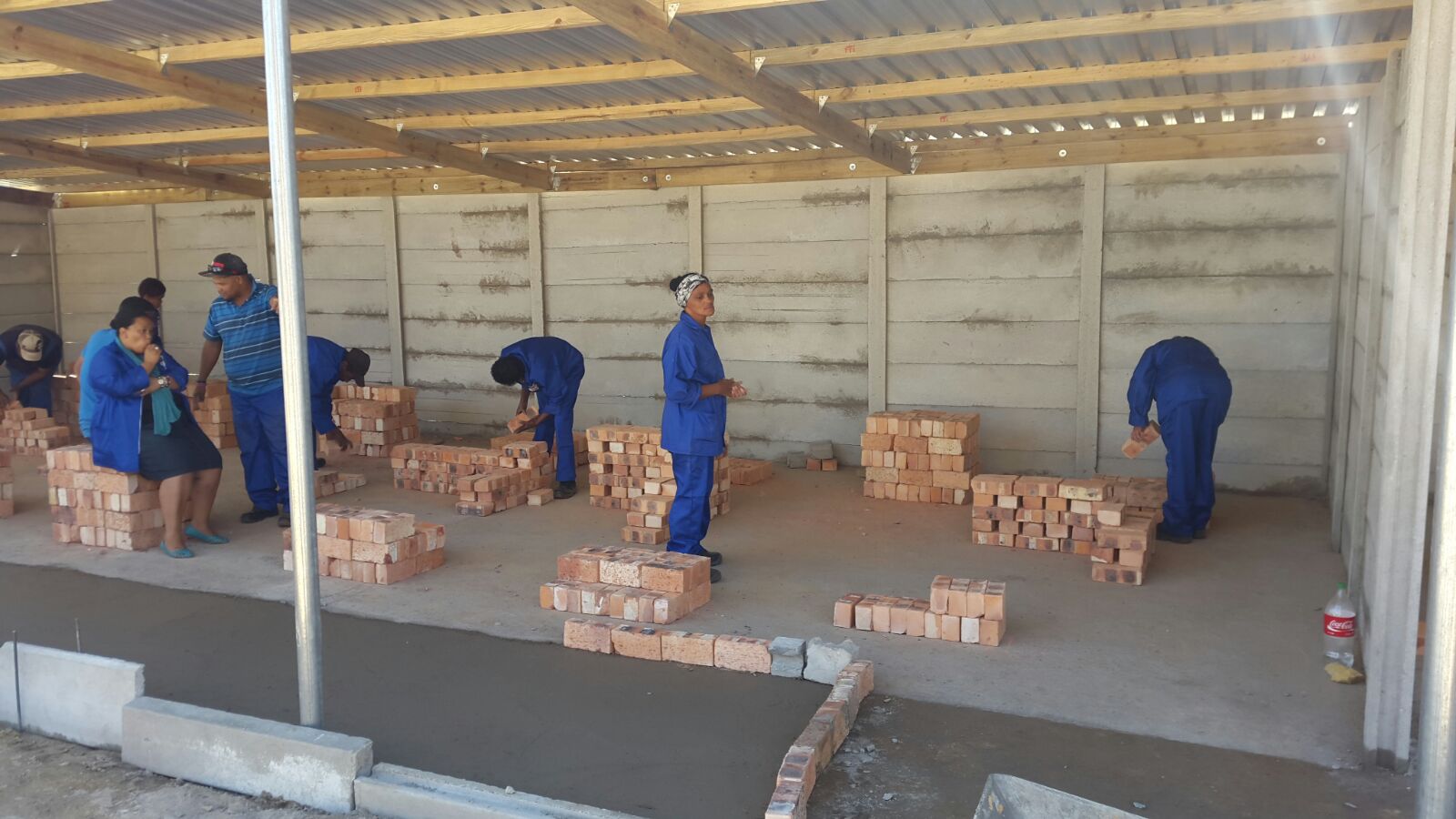
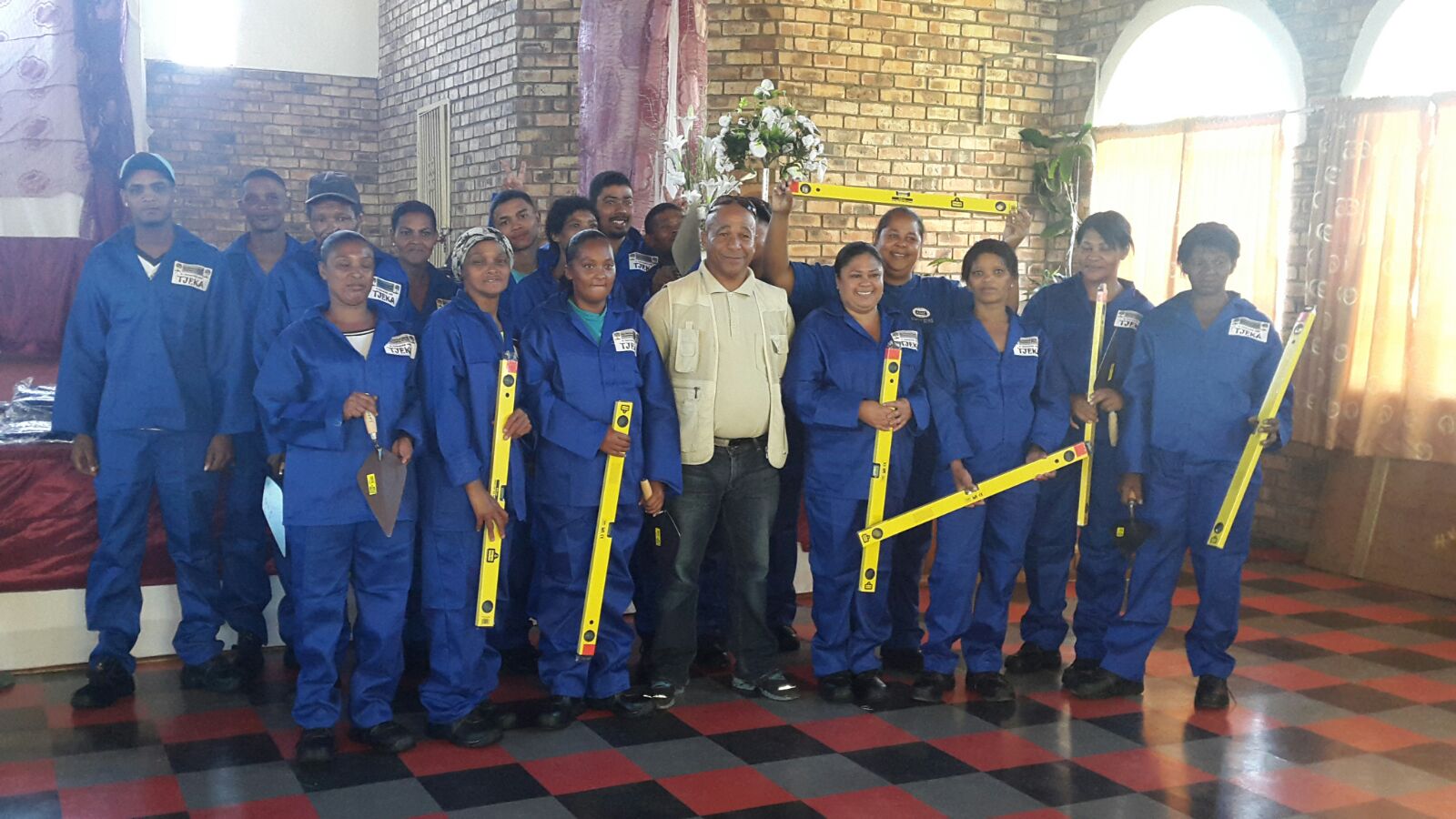
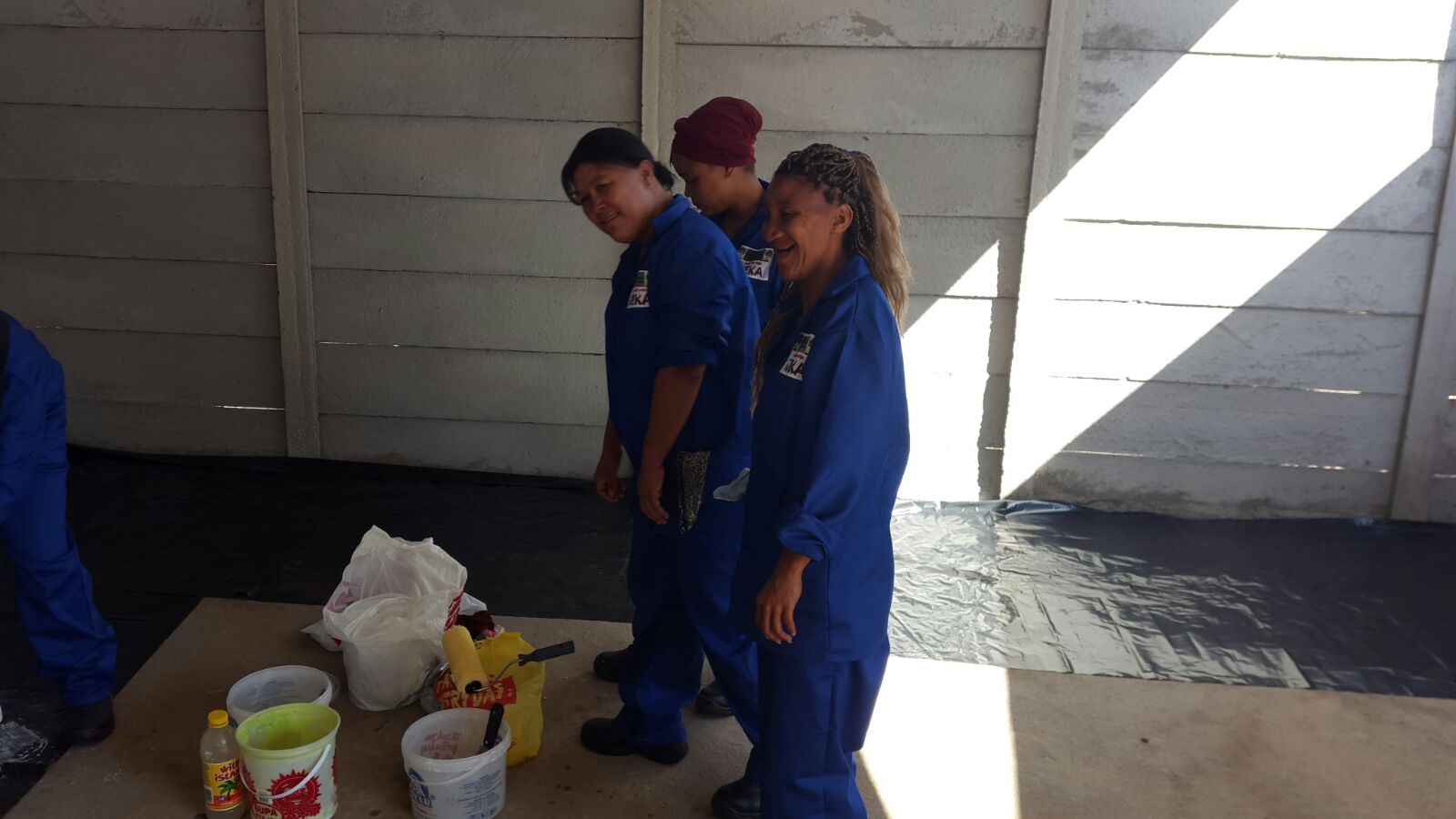
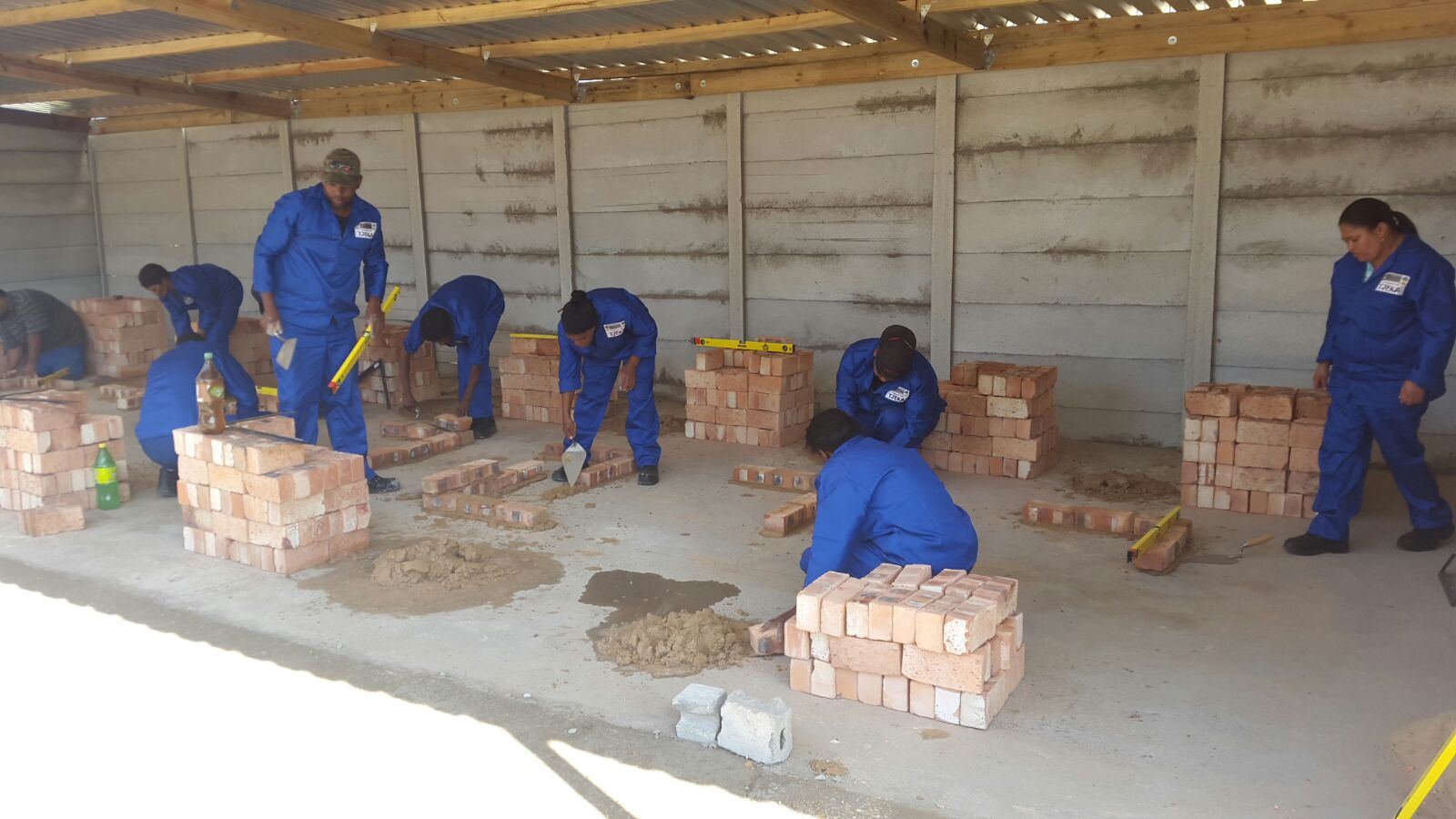
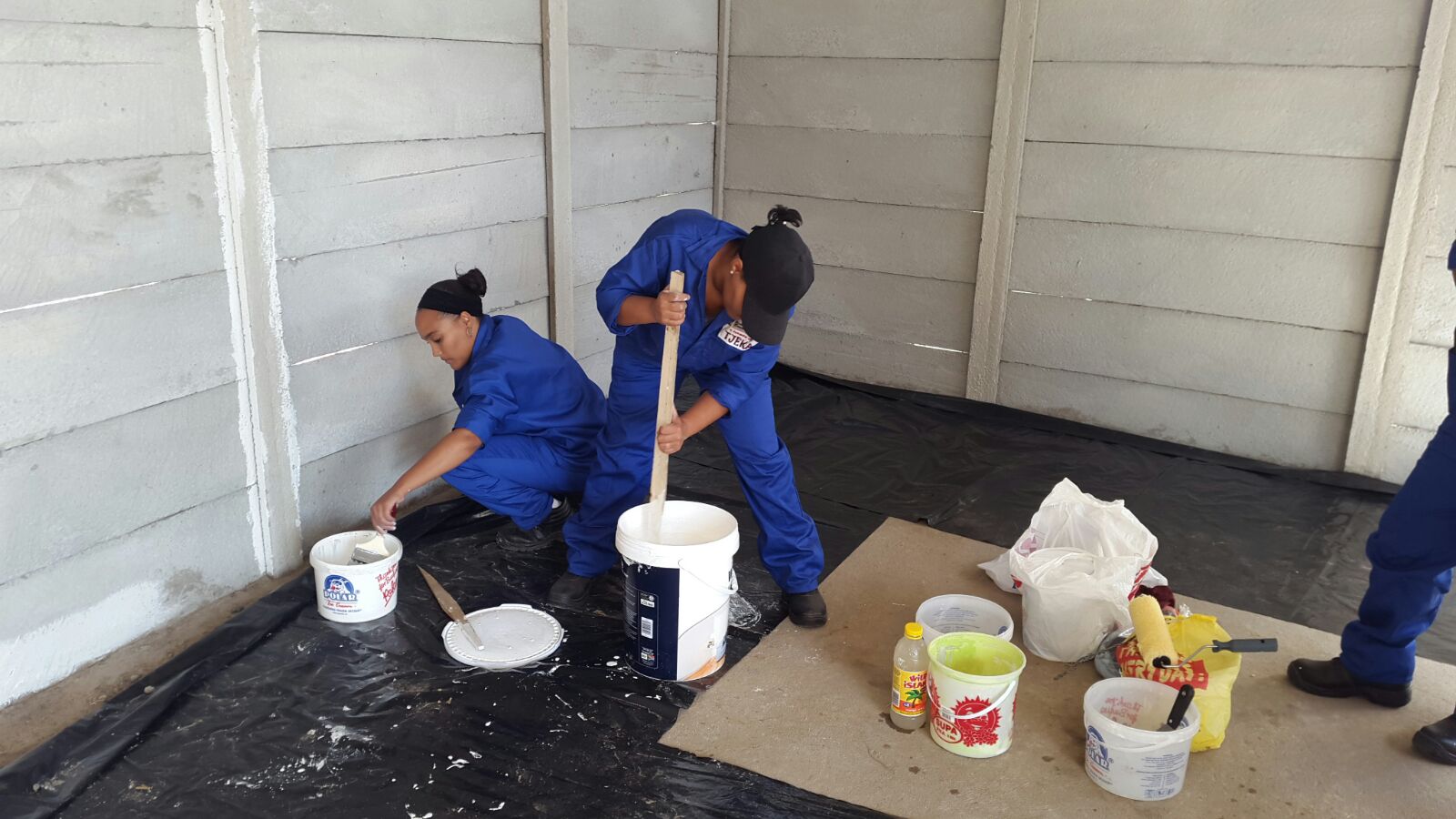
We have collaborated with Tjeka Training Matters, which is an organization that offers development and training in the building and construction sector, and we’ve with a skills assessment and training project for artisans from the community. We already have about 200 volunteers from the community who have signed up, and they will enter this project, where their skills will be assessed, gaps identified and training provided to help them upskill. They will receive formal certification upon completion of their training and assessment. The first eight-week course with 15 painters and 23 bricklayers commenced on 15 February, and their practical training started on 22 February. On Monday, 29 March a further 30 carpenters and tilers started their eight-week course, and on the following Monday, 7 March, 40 plumbers starts training. A group of electricians will follow thereafter and their training will be presented by the College of Cape Town.
Is the idea to create a workforce who can be employed on the Richmond Park project?
The Richmond Park development will create as many as 15 000 jobs over the 10 to 15 years that it will take until completion. The aim of this training project is to make people more employable in general, and certainly, when building commences on the site later this year, there will be employment opportunities for the guys who’ve been through the programme.