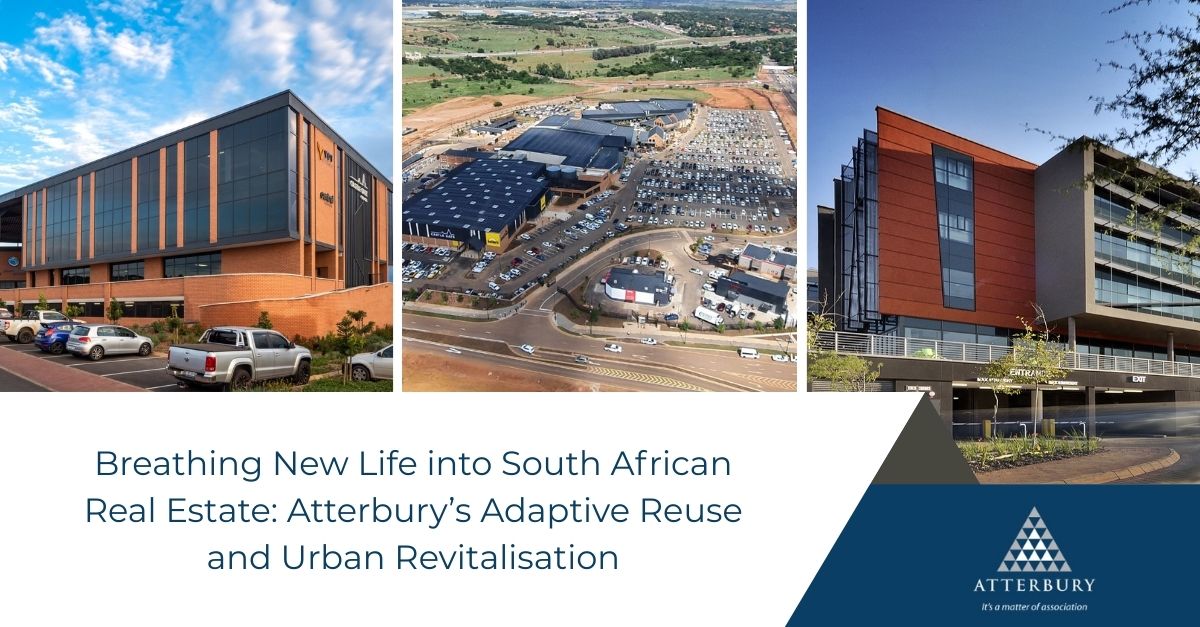



It’s one year to go to the opening of Mall of Africa, Atterbury’s biggest development project to date, and no doubt one of the most eagerly awaited retail complexes ever in South Africa. The architectural form of the mall is inspired by the geological beauty of Africa; with wood, stone, glass, concrete and other natural materials are being employed to create the reality. The Mall’s centre court takes inspiration from the forests of central Africa and the other four courts reflect the four points of the compass on the African continent: the great lakes in the east, the oil and trade of the west, the sand of the north African desert and the mineral wealth of southern Africa. But what does it take to make such an ambitious project reality? Project manager Mike Woodruff shares some of the astounding statistics of this huge project.
- In terms of bulk earthworks, 1 150 000m³ of material was removed as part of the preparation of the site. To put that in perspective, a standard tipper truck holds 10m³ – which makes this a massive 115 000 truckloads!
- A total of 351 000m³ of hard rock (that would fill 35 100 trucks!) was removed. This had to be blasted without affecting the operation of any of the neighbours, including the hospital. Most of this material was used elsewhere on the Waterfall Estate on other projects.
- Six kilometres of shopfronts and 9km of balustrading are to be installed, which if added together would stretch from the Mall of Africa to Sandton.
- 530km of post-tensioned cables were installed, which, if laid down, would stretch from Pretoria to Maputo.
- For the roof lights, 3 600m² of glass and 4 200m², of ETFE will be used, which in total would cover 1 rugby field.
- The total surface of the mall wall and floor tiles to the walkways, lobbies, toilets and courts covers 49 000m² – this equates to seven full-size rugby fields.
- To build the mall, 205 000m³ of concrete was used… which would fill 82 full-size Olympic swimming pools.
- Aside from the concrete, 18 500 tonnes of reinforced steel and 10 million bricks will make up the complete project.
- Twelve tower cranes were on the site at one time… three of them have been removed from site and nine are still in use.