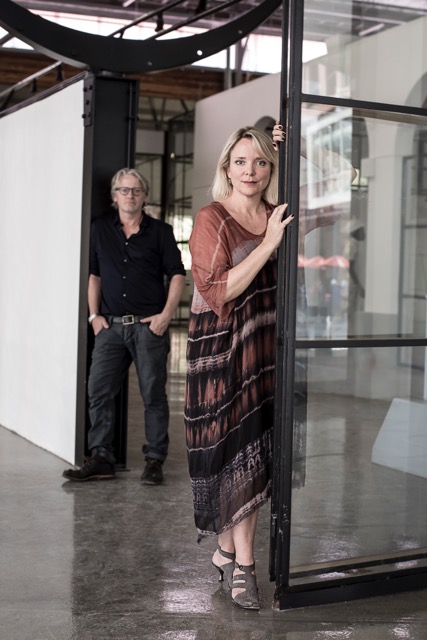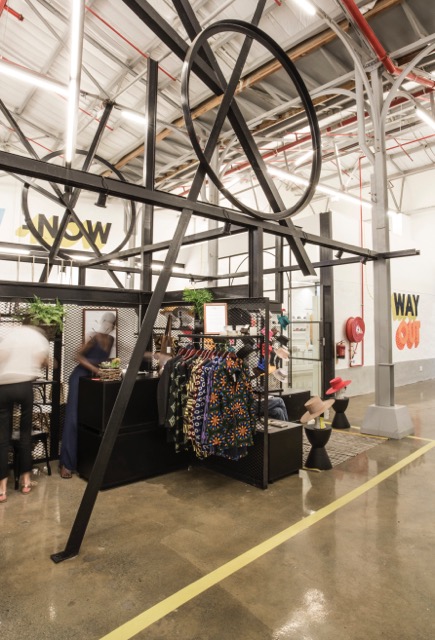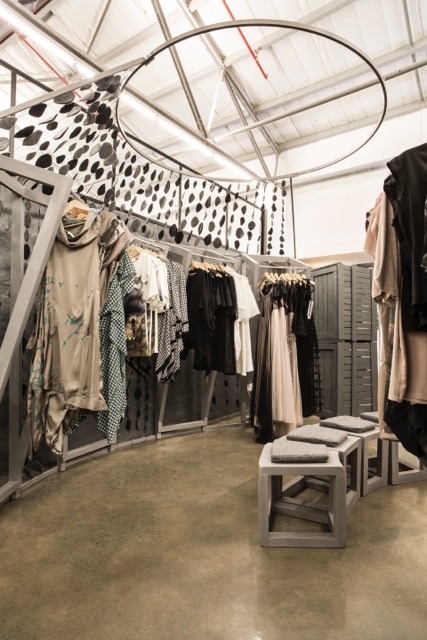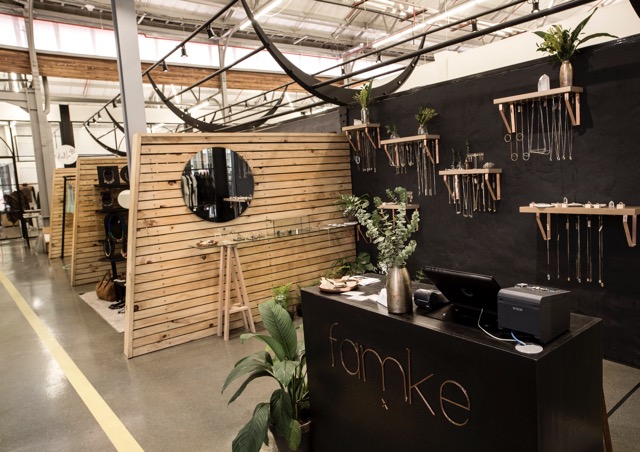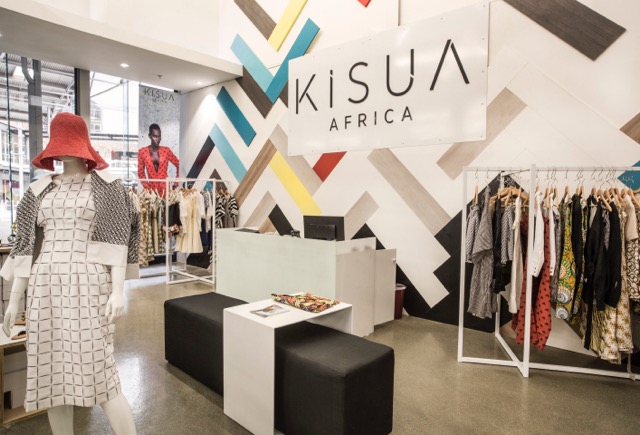


Atterbury’s Work Shop New Town project has changed the energy of downtown Jozi completely, bringing a creative, artisanal aspect to Newtown Junction. This exciting hub of fashion was curated by the accomplished husband-and-wife design team Trevyn and Julian McGowan, the brains behind the successful Watershed project at Cape Town’s V&A Waterfront. We had a sit-down with them two months after opening, to find out the lay of the land.
What were your objectives when you set out on this project?
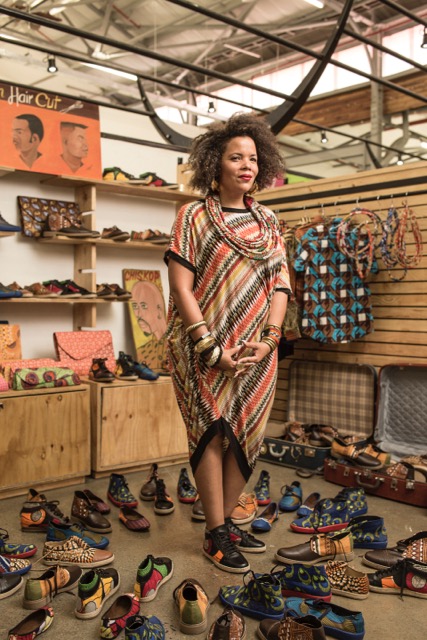
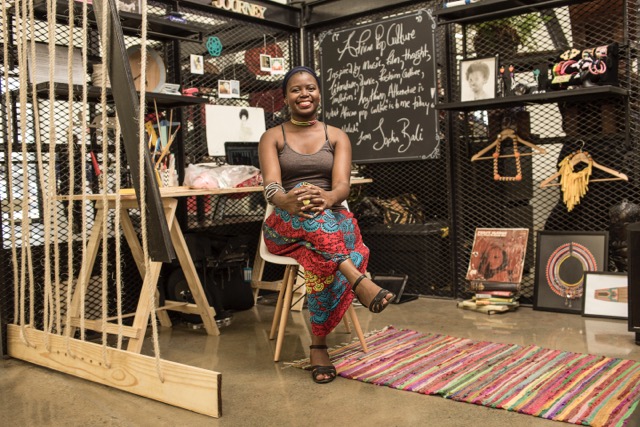
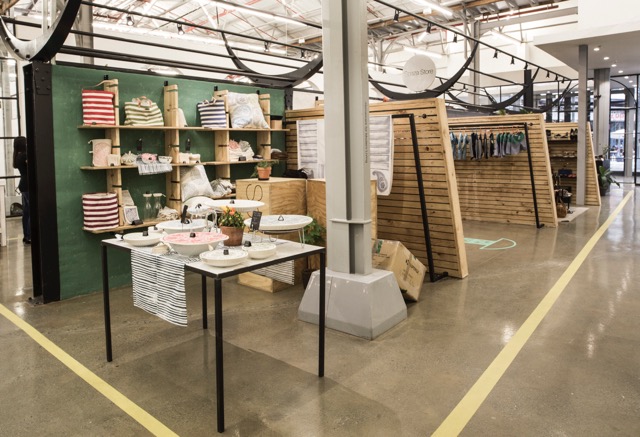
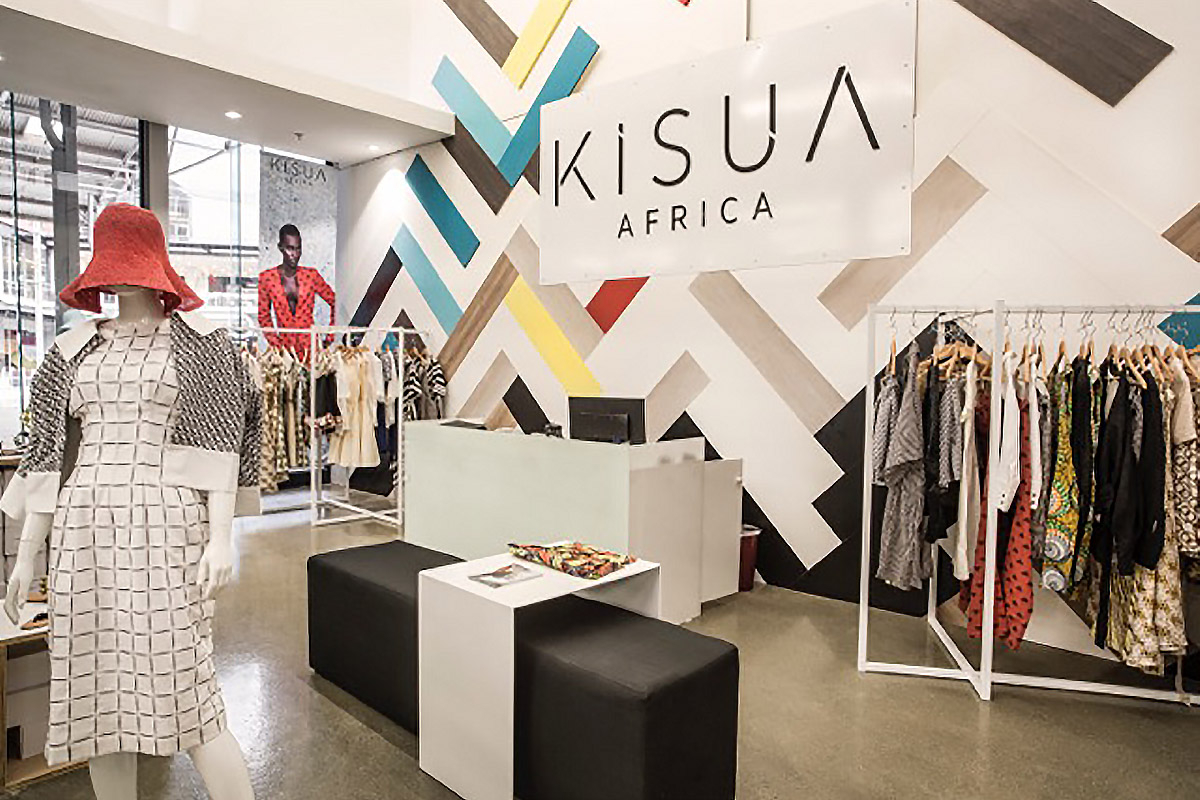
We curated it to be South Africa’s hub for African fashion. Joburg has always had a fantastic assortment of conventional malls filled with international brands and chainstores. Also there are a lot of destination suburbs where streets are lined with beautiful boutiques. But we wanted to offer something different. So we gathered the most cutting-edge African product from over 100 exciting brands in an architecturally designed space to make the shopping experience different. Work Shop New Town is a place where families can spend the day, using inside and outside spaces, interacting with city landmarks, and dining in exciting eateries, in a secure but rivetting environment. It was very important for us to pay homage to the history of the area too, so interiors were built to reference aspects of Joburg just as the gold mines, meat markets, and so on. Newtown is where the city of Johannesburg began. And this is where we want to make it flourish again.
With Atterbury Property as a client, were you allowed freedom, or were there specifications you had to adhere to?
Atterbury gave us incredible freedom in this project. They allowed us to be creative and conceptual, which meant that we could really bring our company’s experience in design to the development. By having Julian and Adri van Zyl of Atelier Interiors work together on the interior design, we were given full control of what the space would look like through their combined vision. It’s rather rare to have such a trusting developer like Atterbury, and I think that’s what makes this project really unique. It allowed the space to have the personality it deserved.
You had to work with historical structures; what specific challenges did this present?
Working with a heritage building, with a roof that could not be changed in any way, meant that we had to think creatively about how to contemporise an old, disjointed building into one big, open-plan space that still allowed for specific pockets of interest. I think we succeeded in bringing the old space back to life in a modern way. The fact that we managed to open within the timeframe given to us (which was within six months of starting on the project) was a major feat for us all. It’s quite unheard of in this environment.
How was it different to Cape Town’s Watershed project? How do the two venues compare in terms of tourist footfall and how you cater to that?
They’re similar in the way that they are both strong platforms for local design, with interactive events such as markets and exhibitions. Work Shop New Town differs in the way that its primary focus is fashion. Also, that it’s very much focused on a Johannesburg audience, with an urban, historic and cultural representation. The individual retail spaces in Work Shop New Town are larger, and there’s a big focus on collaboration, exchange and interaction between the brands, with the aim of it being a hub of creativity. The V&A Waterfront has the highest annual density of visitors in Africa, with a high-volume tourist ratio. Newtown is more about the locals. Of course, we want tourists to explore African design too, but this is a space in which Joburgers can celebrate their own history and growth and culture.
Can you share your secret for curating the right mix of tenants for a space like this?
It was a highly curated process of selecting designers and other offerings such as a nail bar, hair salon and beauty products that we felt were fresh and resolved at the same time. They all had to have a strong identity and be very relevant to the Joburg clientele. And, of course, they all had to be produced on the African continent. By having a good mix of jewellery, clothing, shoes and other design product, we’ve succeeded in covering all bases in the industry, with top-name brands to boot!
It’s been open now for two months – are you satisfied with how it’s been received in the area?
We’ve received such positive feedback from visitors, and have had some incredible media coverage – not only in SA but internationally – so we know that Work Shop New Town is going to be a success story for the area. Two months is a short time to evaluate a new concept, but we trust that word of mouth is going to spread very rapidly and Joburgers will come flocking to shop for the best in African product.
Have you made any changes since the opening, or are you planning any?
We’ve changed our opening times, as we’ve listened to what our clients and tenants want and when the busier times are in the precinct. We’ve also started planning a whole lot of activations for the space – from weekend markets and parties to hosting talks and live music.
Are there expansion plans? What would be the next thing you’d add if there were?
For now we really want to focus on the space we have before thinking of any expansion. We want to encourage a lot of collaboration with surrounding neighbourhoods too. Work Shop New Town must belong to the community and to the future. We’ll continue refining and adding to our assortment of the best brands in Africa.