

Being innovative, strategic, forward-thinking and fearless is hardwired into the Atterbury psyche, and these qualities have seen the company flourish as it’s grown beyond its Pretoria roots. The Atterbury network has spread throughout South Africa, been seeded into Africa and now, with the signing of a €200-million investment in Cyprus, will cement its global presence. Gideon Oosthuizen, Executive Director of Atterbury Europe, shares some insider insights.
What are the elements of the Cyprus investment?
There are two main parts: firstly the Shacolas Emporium Park, which is the top retail destination in Cyprus near the capital city of Nicosia. It is made up of 55 600m² of leasable retail space, including the Mall of Cyprus, Ikea and other free-standing retailers and dealerships. The Mall of Cyprus has more than five million visitors every year, and international tenants such as Zara, Carrefour, McDonald’s, Debenhams and Starbucks. There is also an expansion project in the works right now.
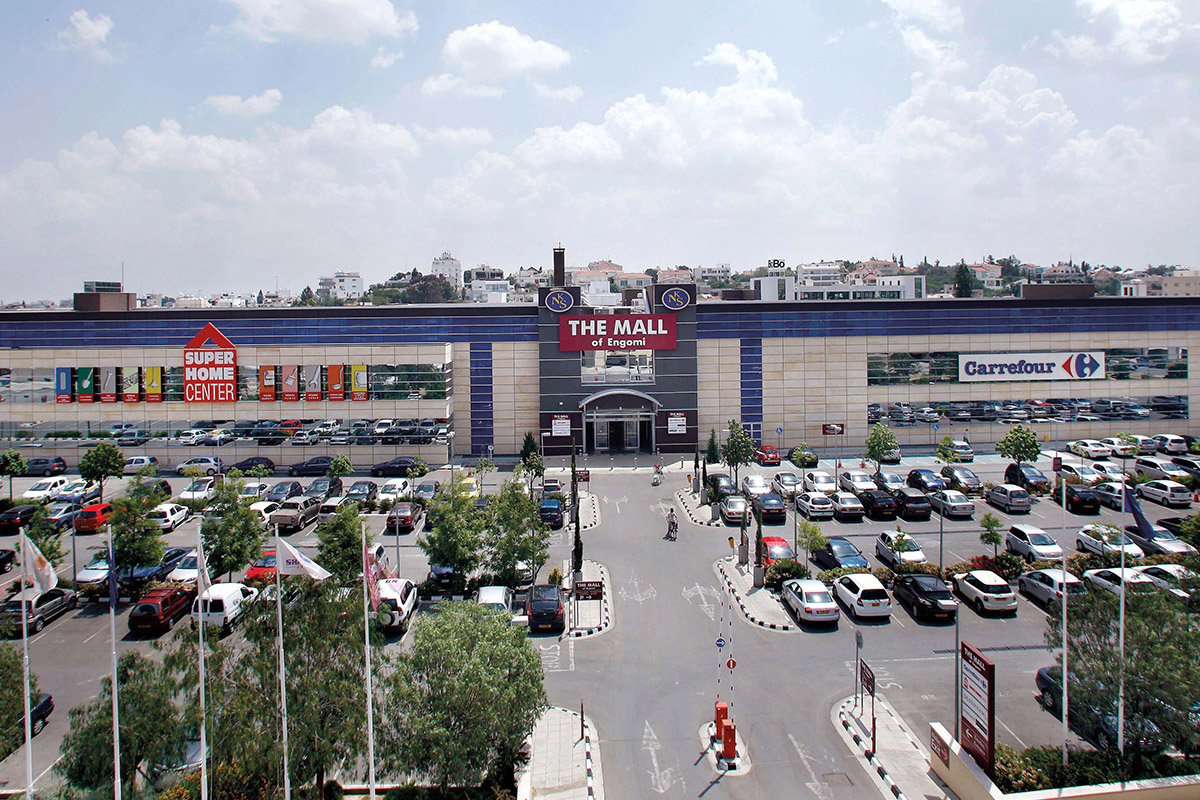
The second part is the Mall of Engomi, which is a busy shopping centre in a densely populated residential area with loads of potential for expansion and revitalisation.
When taking the enormous step of going global, how did Atterbury decide where to go? Why Europe, and not, say, the UK, or the US?
We did take first steps in the UK, by participating in the establishment of MAS, which is active in the UK, Germany and Switzerland. Though initially pure investment and no development, we collaborated with MAS in 2011 to start a development project in Edinburgh, which is still ongoing today. This was done via Attacq, before it listed in 2013 (Attacq was still managed by Atterbury Asset Managers at the time). At the same time of listing Attacq, the idea gained momentum for Atterbury Property to start developing more actively in offshore jurisdictions.
If you’d known what was about to happen in Greece, would you still have invested in Cyprus?
Yes, most definitely. We should remember that what happened in Greece did not come about overnight, although the problem has been brought to the fore lately, with a leftist shift in their governing coalition political landscape, the debt repayment deadlines which could not be met, and the heightened press coverage resulted from the liquidity crisis which affected the man in the street.
The reality is that the economic crisis which hit southern European countries very hard in 2008 has been around for some seven years now. Some countries, like Cyprus, responded well to the austerity measures imposed by their lenders. They made cutbacks in public spending, made sure the books balance and have set the country up for growth. Others, such as Greece, did not manage to mend their ways.
The difference is very visible today. Cypriot banks’ balance sheets have recovered, expenditure is under control, interest rates have come down to around 3,5% and economic growth is imminent. All exposure to Greek banks has been written down. In June 2015 Cyprus issued government bonds at circa 4% which were over-subscribed, indicating people’s willingness to invest their cash into the Cypriot government and economy. Cyprus is an example of how the European Union can in fact work to the benefit of its member countries, if they stick to good economic policy and fiscal discipline.
Why was the decision made to base the head office in Vienna, Austria?
Vienna is centrally located, geographically, when you consider travelling to CEE countries.
The malls in Cyprus include big-name global brands that SA consumers would love, like Ikea and Debenhams. Any chance of these relationships developing into us seeing those brands here as well?
As mentioned, the acquisition of existing centres most definitely fast-tracks the building of relationships with European tenants. There can be no doubt that we will strive to expose these retailers to our own market and play a role in their internal expansion aspirations.
In the news: Read the Atterbury gaan Oos-Europa leer van inkopies article on Netwerk24 for more info.