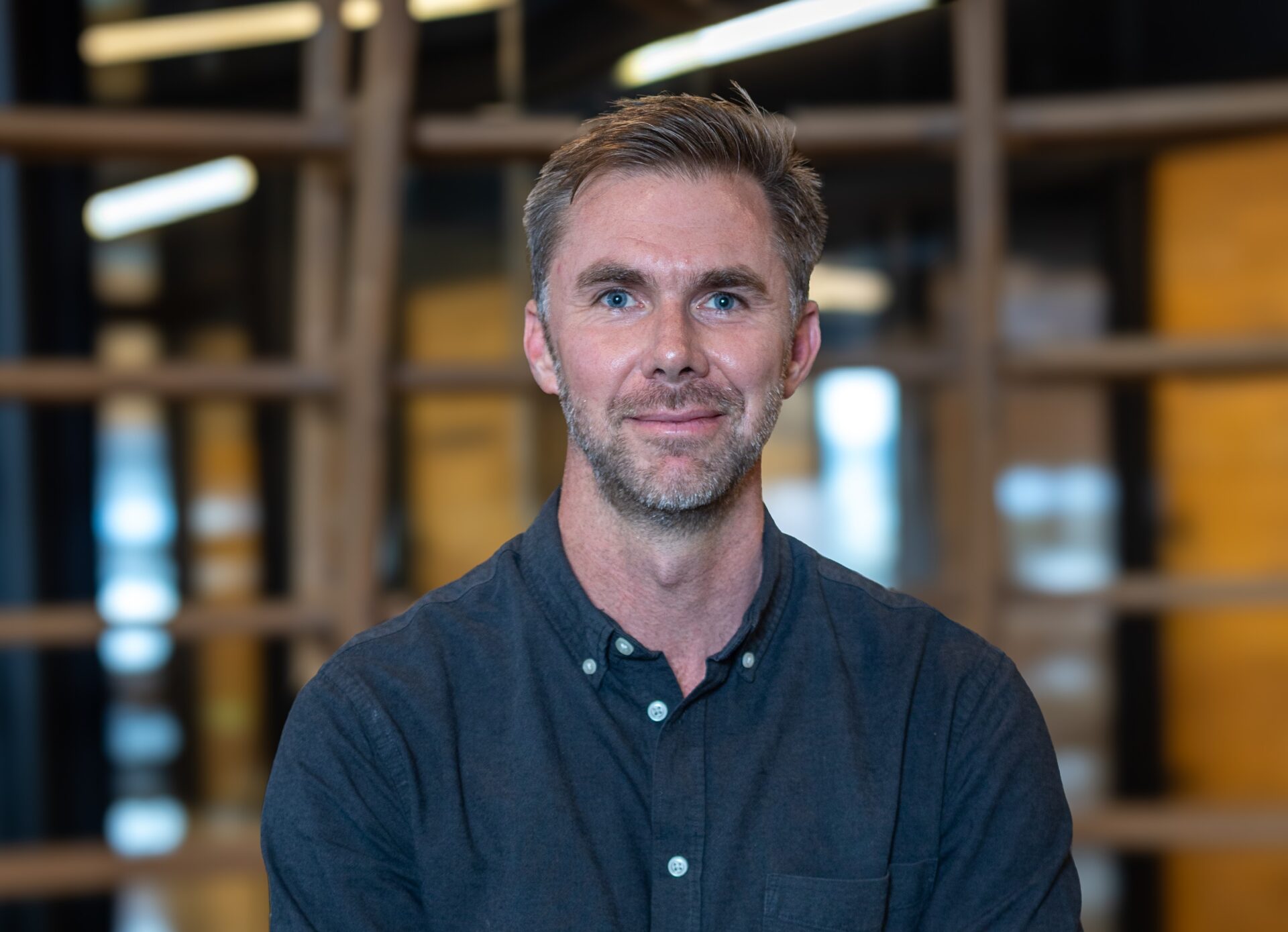


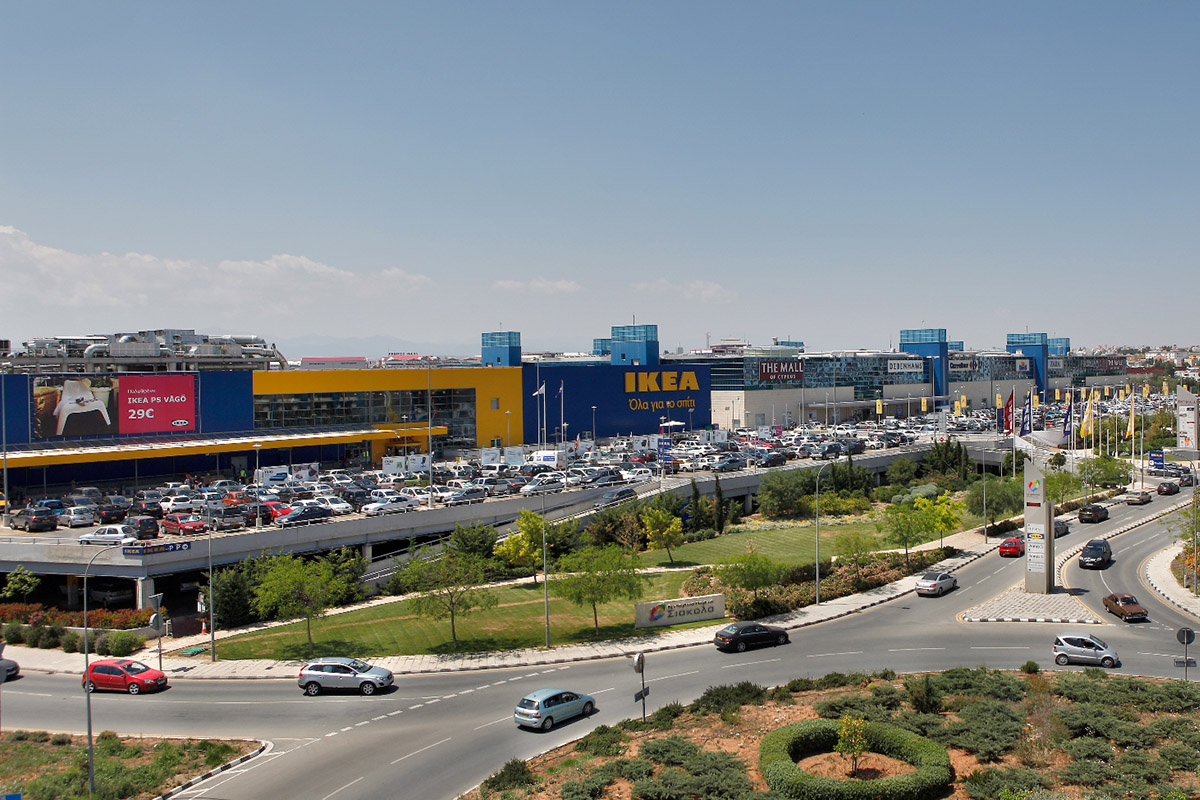
 Small beginnings are no obstacle for a company that has global aspirations, as Atterbury Property has proven. Now that the Pretoria-based company is investing in Europe, there is only one trajectory, and that is up. We have a word with the man in charge of operations on the ground, Raoul de Villiers, Managing Director of Atterbury Europe Services, who moved to Vienna on 28 August.
How will the business in Europe differ from the way things are run here in SA? Will there always be a South African team on the ground while a project is being developed?
The permanent South African team on the ground will be small initially, with the development and asset management functions operating from South Africa on a fee basis, and under the operational management of the heads of these businesses in South Africa. With each acquisition in Europe comes a local team as well, and we don’t intend replacing the local teams with South Africans. We wish to get involved where it really matters to make a difference.
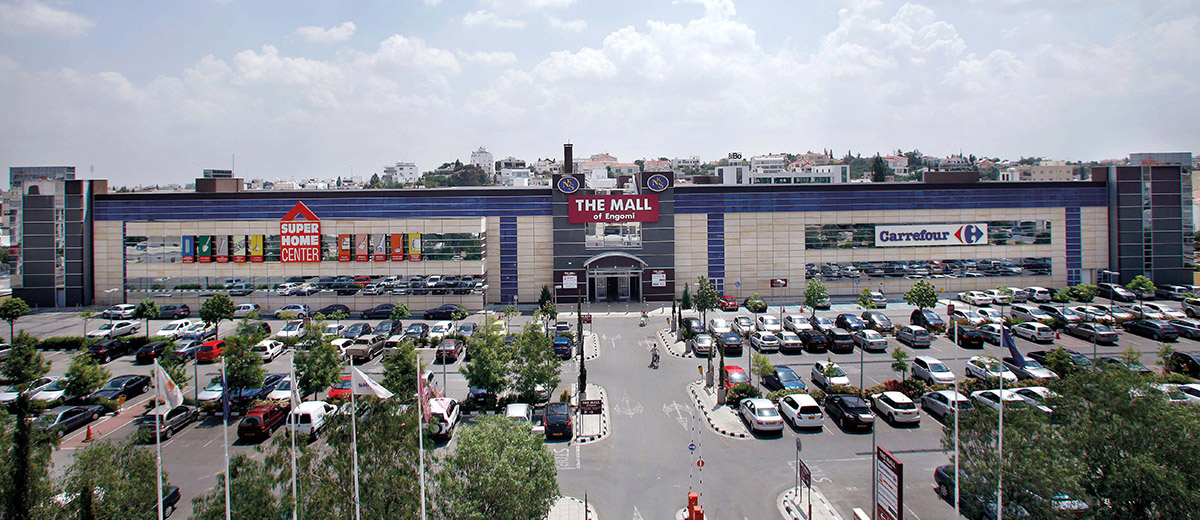
Our intention is to find greenfield/brand-new sites and opportunities, but this isn’t always possible as a first entry into a new territory. It’s better to buy an existing asset, as this introduces many local relationships: agents, lawyers, politicians, banks, architects, town planners and so forth, all are existing when a retail asset is acquired. By becoming the new owner, we inherit these relationships and can build on them. Most importantly, we acquire existing tenant relationships that we can use to expand our footprint via new developments in the territory.
Local partners are part of Atterbury’s winning recipe. How do you identify those partners so far from your own networks, where you have to rely so much on infrastructure outside of your control?
There is no cookie-cutter recipe to identify partners. It is a matter of networking, of using existing successful relationships to gain access to people’s diaries, of using existing successful track records in being able to deliver projects of significant scale to convince people that we should be a co-owner of their assets, and that we could bring a healthy combination of new capital and development skills to improve the value of the assets. And sound judgement. It’s a matter of association.
What aspects of foreign business dealings are most challenging?
Each stage has its own trials and tribulations. During the acquisition phase there is lots of legal work in a foreign jurisdiction, and the cost of advice is often high. Access to funding is still not easy, although it is loosening up. Project execution will have its usual pressures, but we have to date found that local role players are well up to the standards we are used to, so it’s a matter of forming a team of professionals and getting on with the job. We have to remember that we’re entering a region that has been building commercial buildings for longer than we might appreciate – our own environment is quite new and young, compared to Europe.
We do bring some innovative thinking and strong entrepreneurial skills to the table, some fresh ideas and urgency. We sometimes find that, due to Europe’s much more stringent town-planning requirements, that new properties are not developed with as much frequency and urgency as in our market. We’re more used to direct competition among developers. We therefore set high standards of excellence when we develop a centre, as we might find something competing with us springing up across the street or around the corner. In Europe, this is not the case. The role players are therefore not as acutely tuned into finding the absolute optimum development mix as we tend to be. But this is not as much a challenge as it is an opportunity for us to excel in those markets.
What are the big lessons you’ve learnt moving from being a small company based in Pretoria, branching out first into the rest of SA, then Africa, to a company that now has a global footprint?
The basic principles remain the same, irrespective of where one operates. If you stick to the proven success recipe all will be well. Partnerships will be even more important; we can’t move into foreign markets and isolate ourselves. But this comes naturally to us. However, it’s very important to do your own homework, as early as possible in the process. Don’t accept as gospel the estimates provided by local role players. Independently verify income projections, escalations, project execution costs, and so on. It is possible that locals have not done things to the scale that we have done, and they might underestimate the real costs and thus deliver an overly rosy picture of the project feasibility.
What will be next? Have other territories been identified yet for future expansion?
No, we have set our sights on CEE (Central and Eastern Europe) for a five to seven year period, and this is in itself a huge market whose surface we’ll barely scrape during this time period. We have limited resources, both in terms of capital and human resource to deliver effectively on each asset we acquire. But we remain an entrepreneurial company, so we never say never.