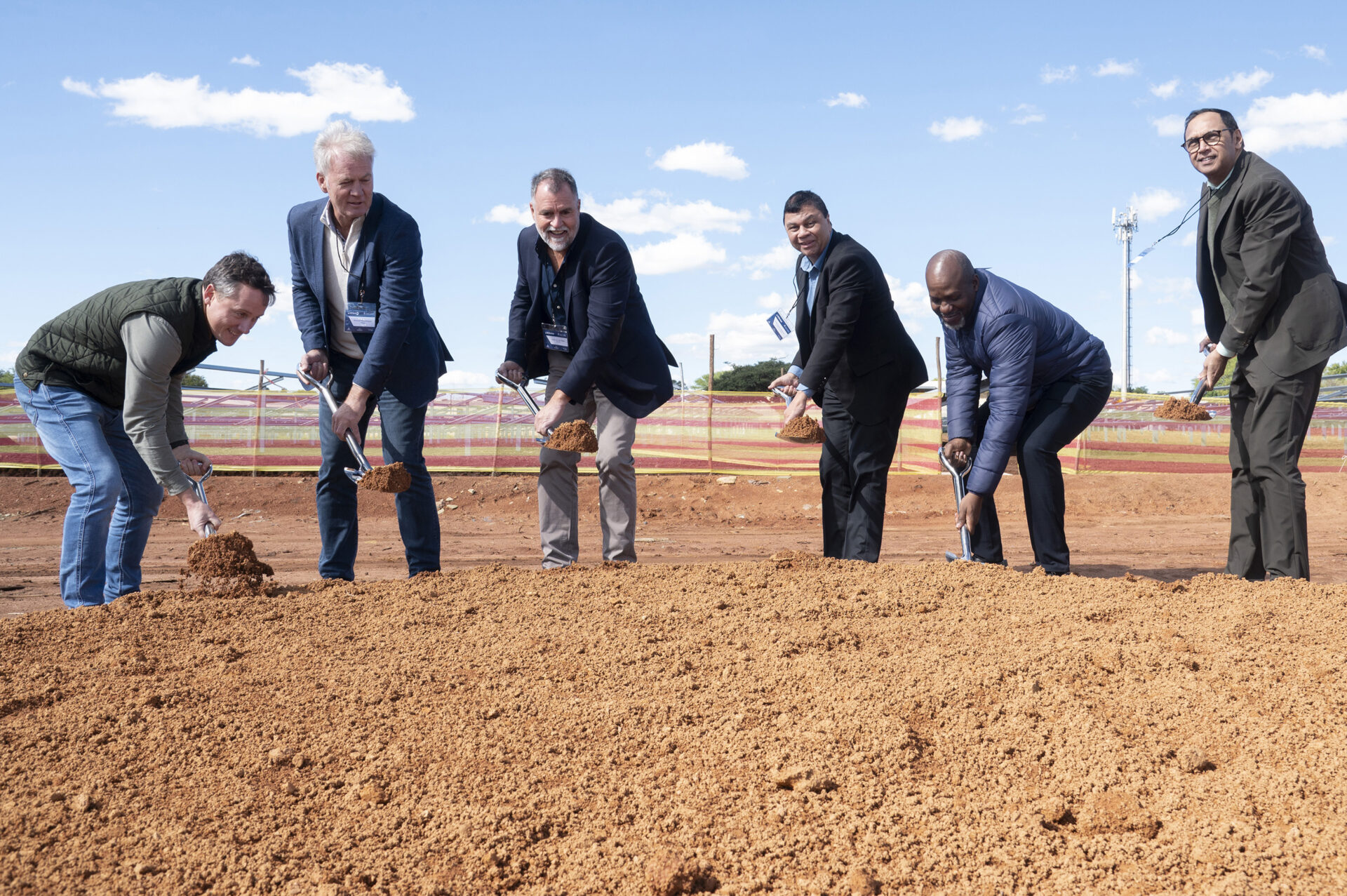


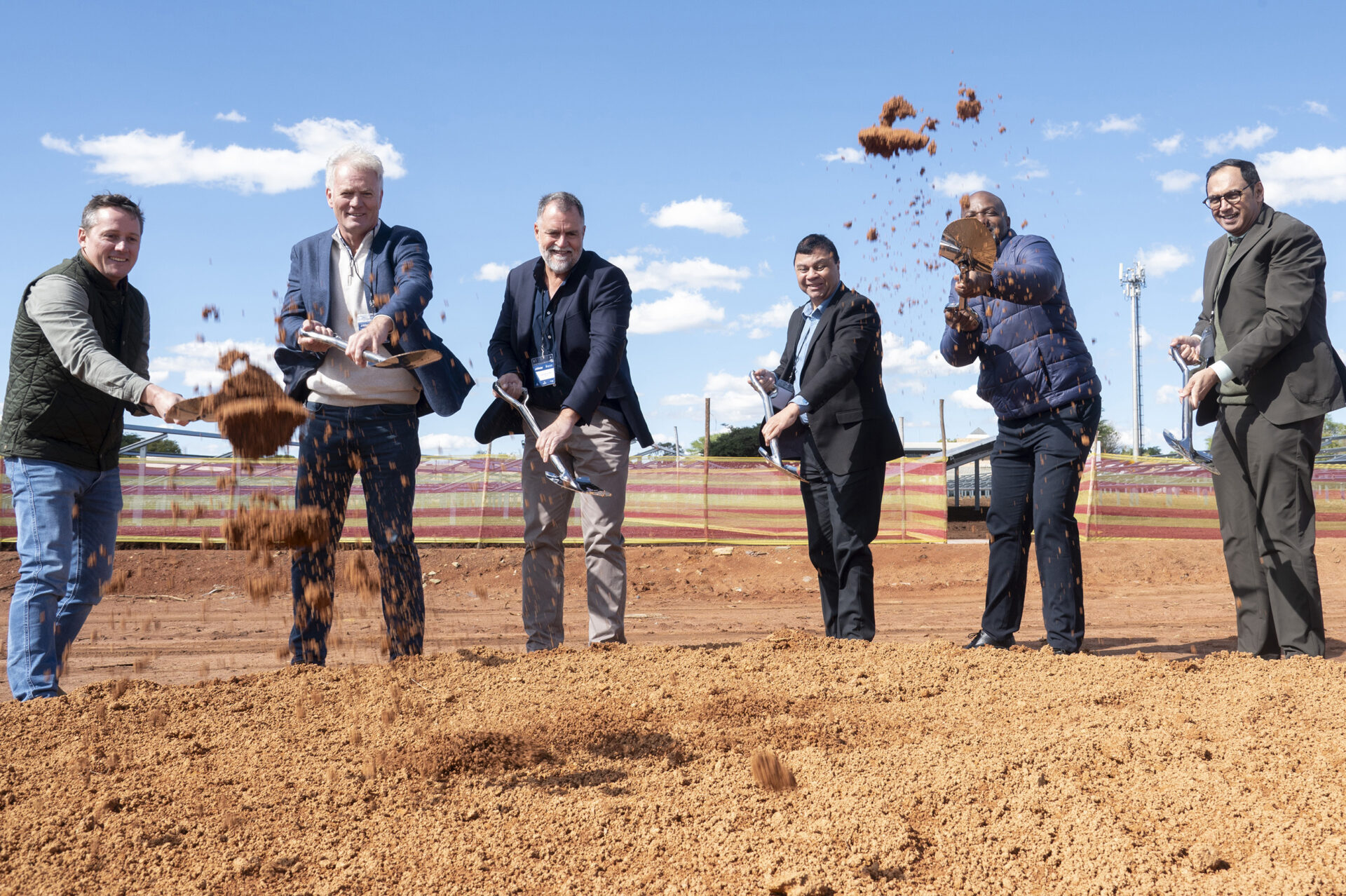
The University of Pretoria, together with AttSolar and its project partners, officially marked the start of construction on its large-scale solar PV facility with a sod-turning ceremony held at Persequor Park on 6 May 2026.
The event celebrated a major milestone in the development of the renewable energy project, which will deliver long-term clean energy to the University through a 20-year Power Purchase Agreement.
AttSolar, a partnership between the Atterbury Group, Fledge Capital and MPower, is responsible for the development and long-term operation of the solar PV facility.
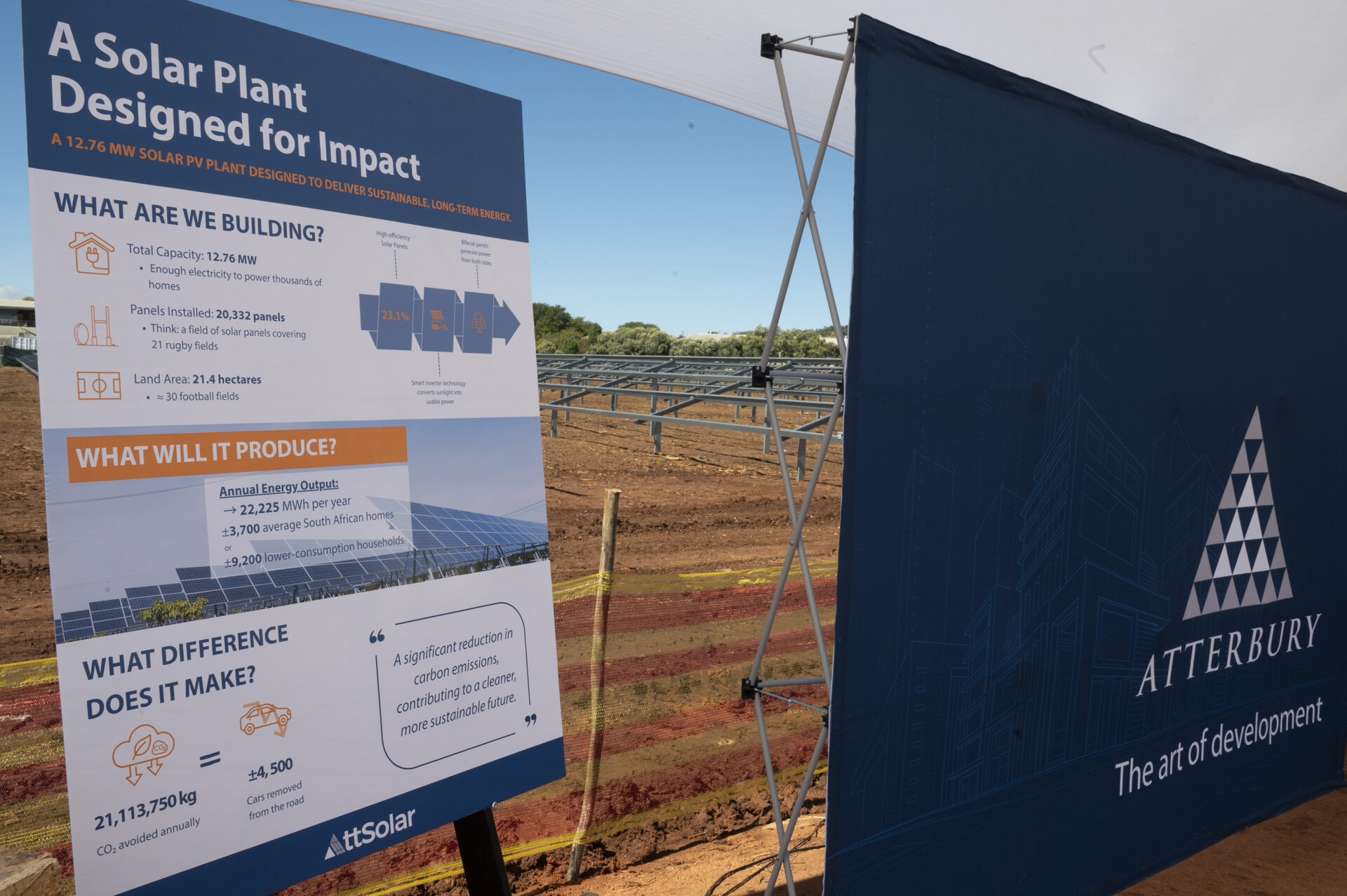
Once completed, the facility will feature more than 22 000 solar panels across a 21.4-hectare development footprint and generate approximately 22 225 MWh of electricity annually. The project is expected to offset more than 21 million kilograms of CO₂ emissions each year while supplying renewable energy equivalent to powering approximately 3 700 average South African households.
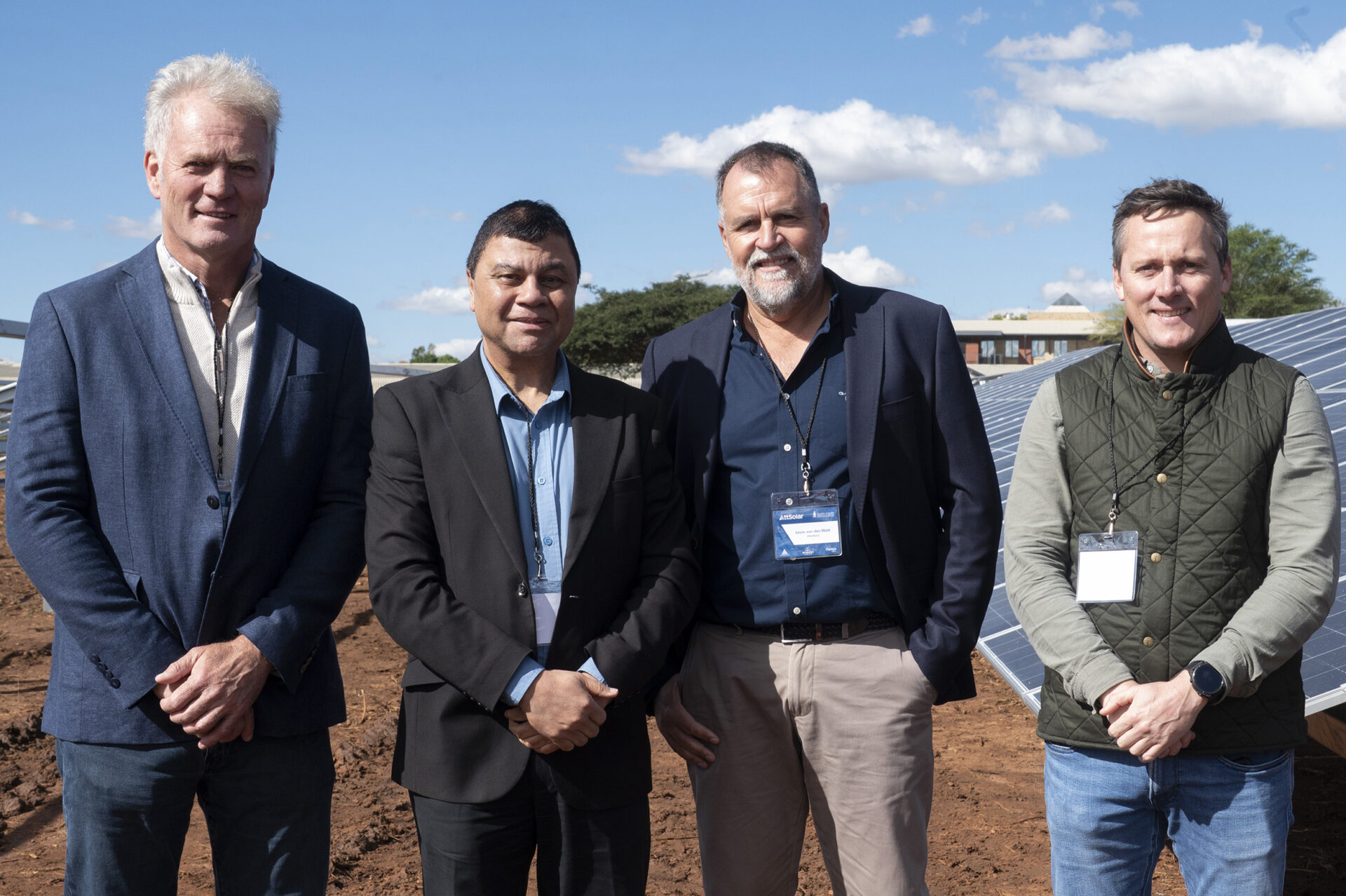
The ceremony brought together representatives from the University of Pretoria, AttSolar, project consultants, contractors and invited stakeholders to commemorate the occasion.
A key moment of the event was the ceremonial sod-turning, a long-standing property development tradition symbolising the official commencement of construction and the transition of a project from planning into physical delivery. The turning of the first sod is regarded as a symbolic commitment by all stakeholders to bringing the development to life.
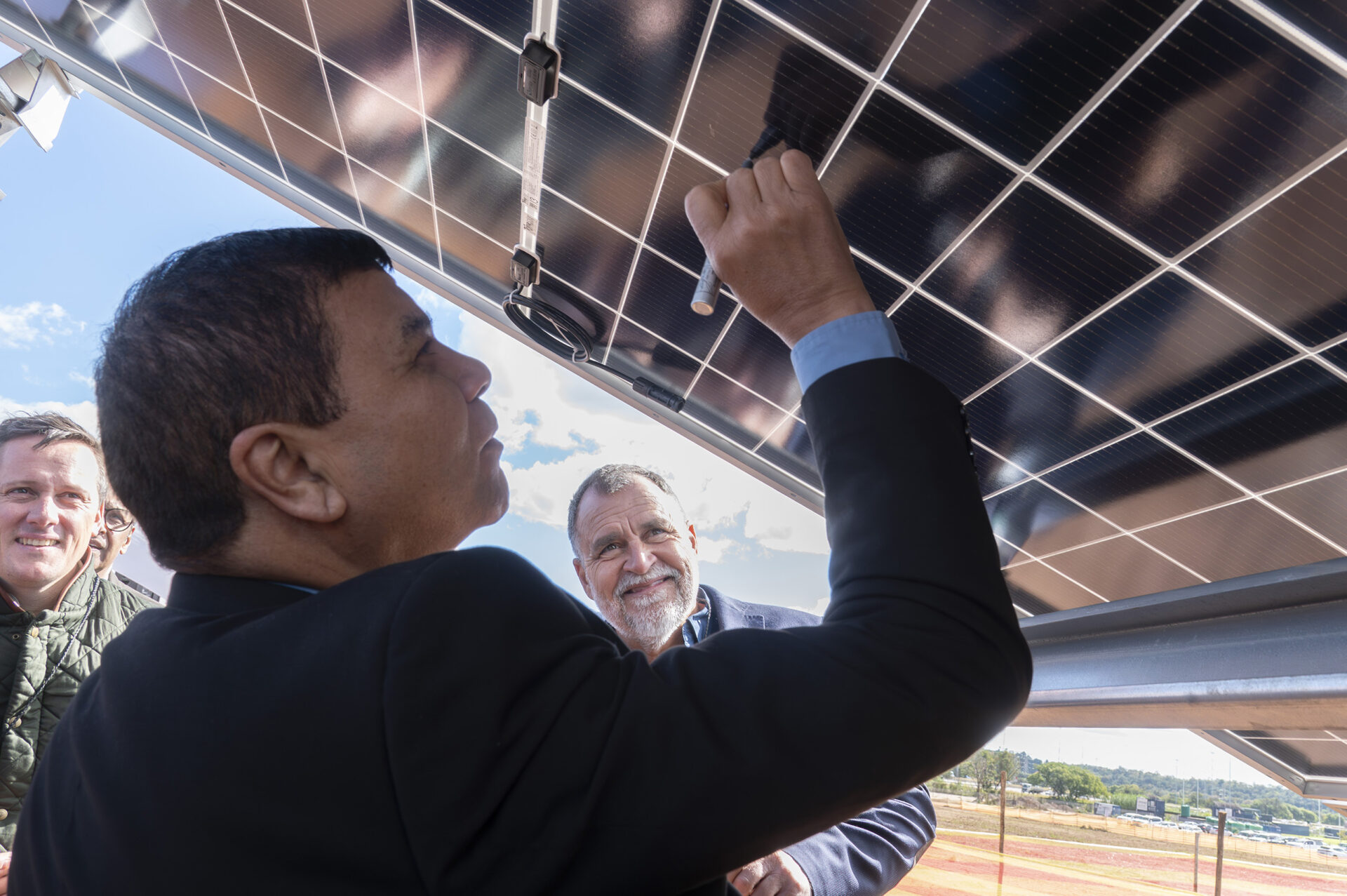
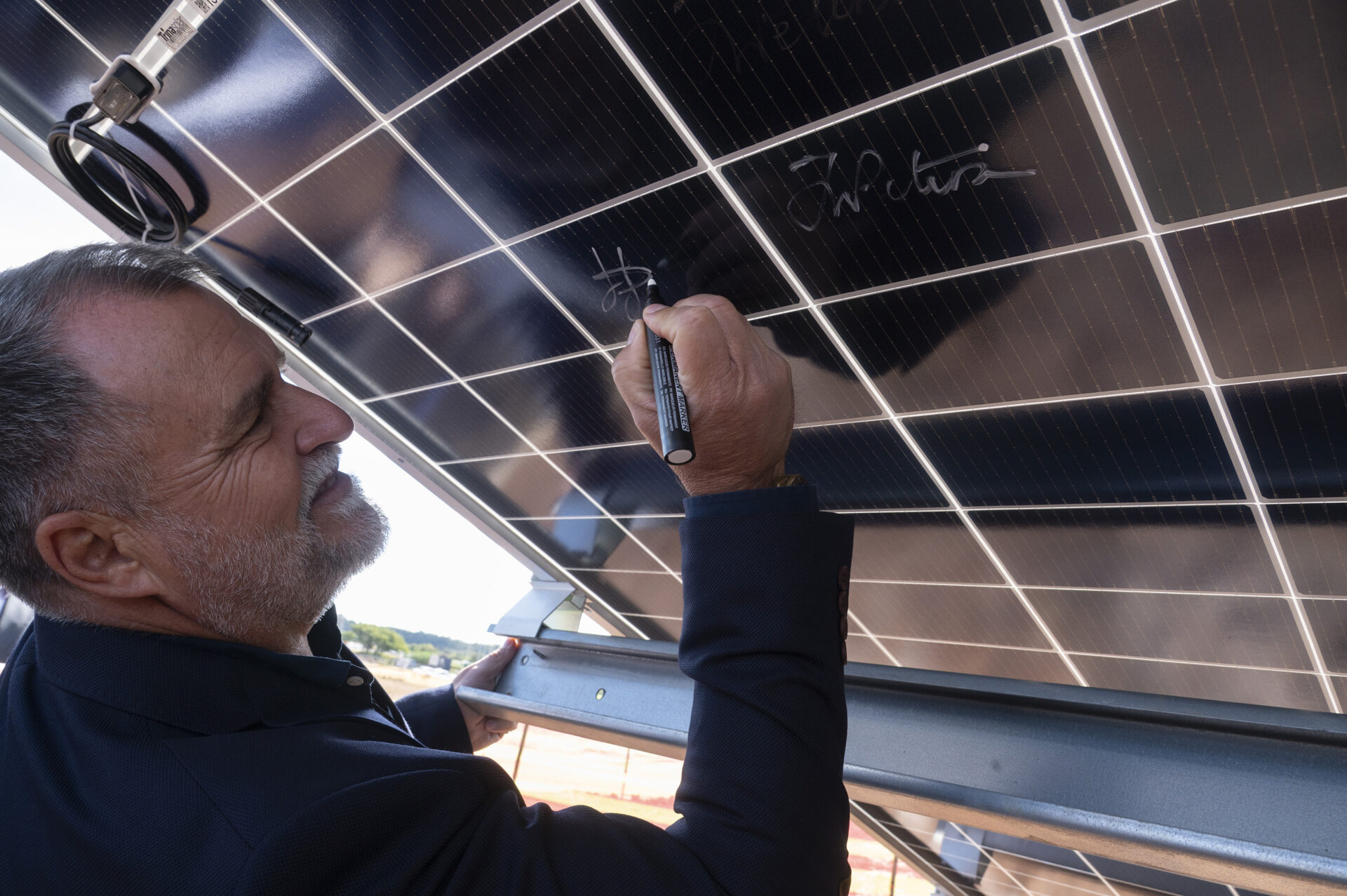
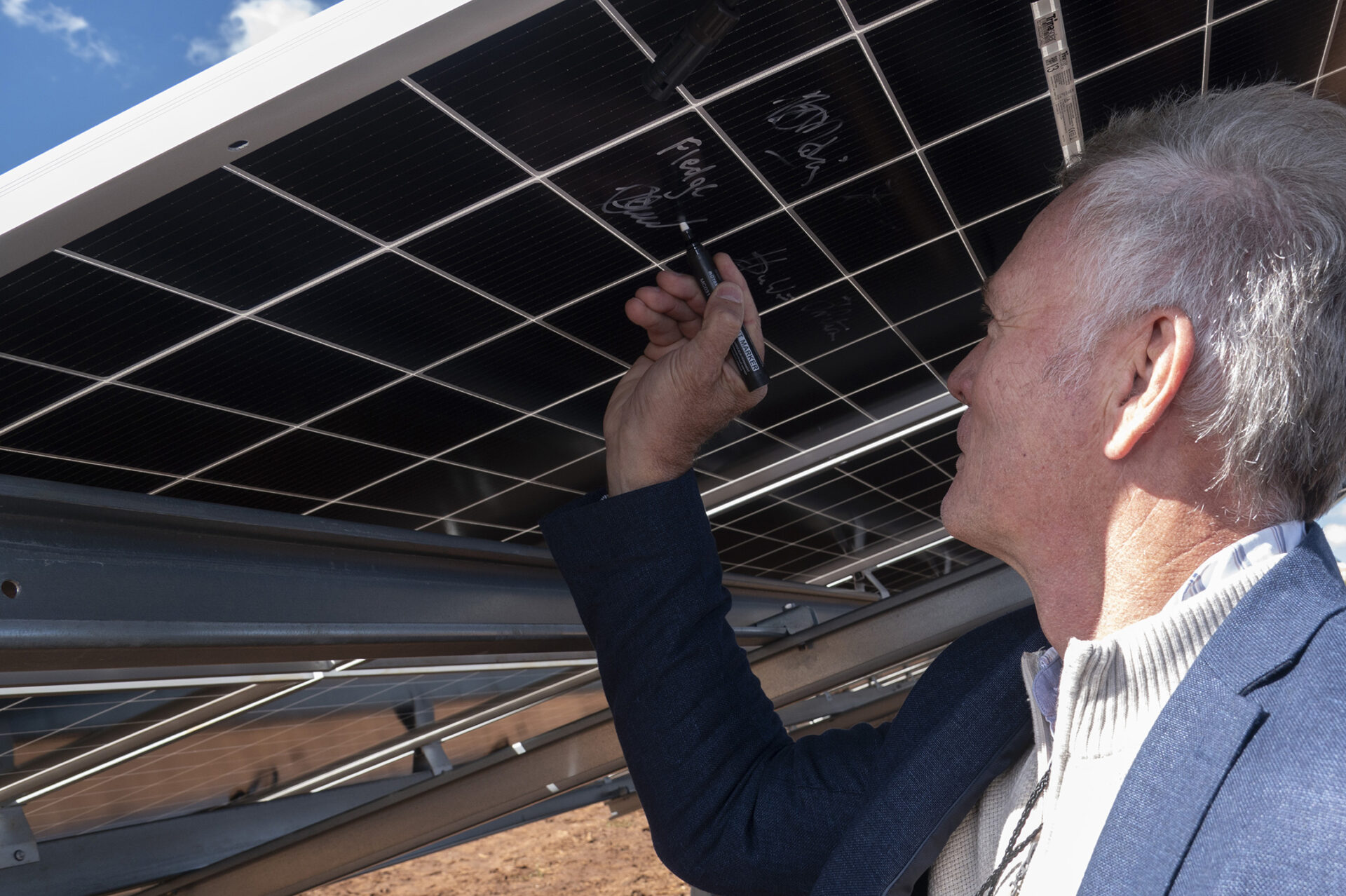
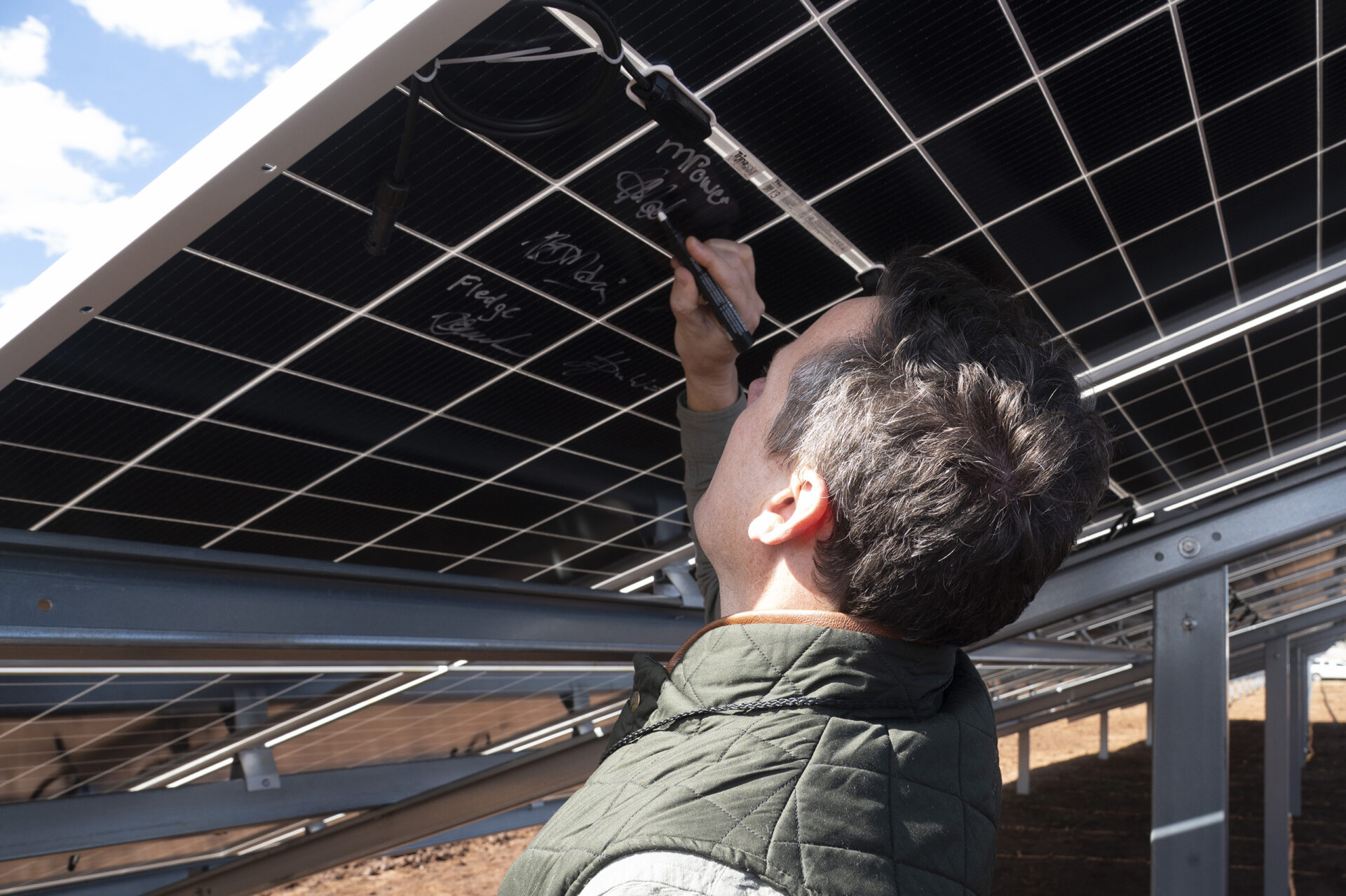
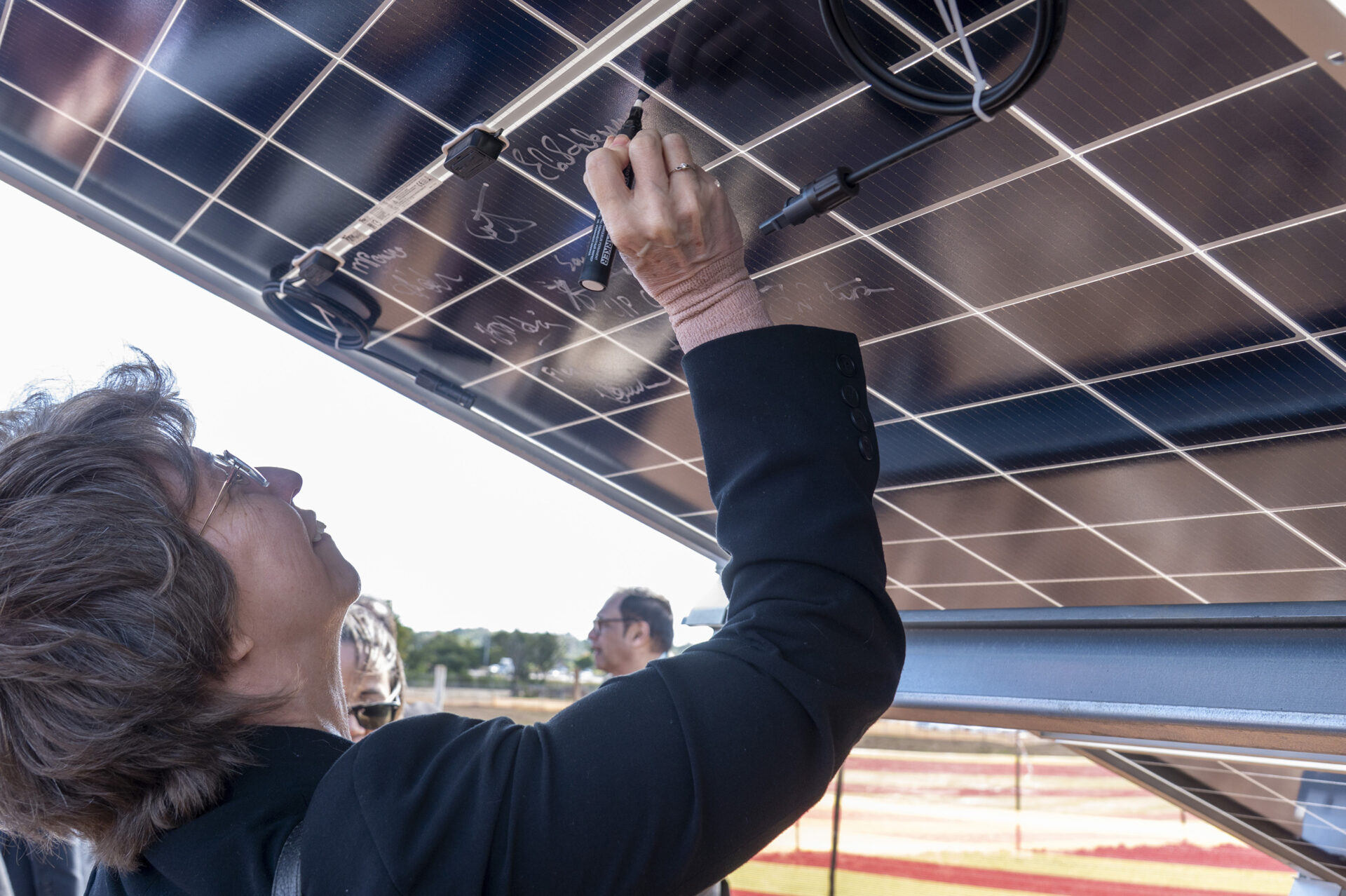
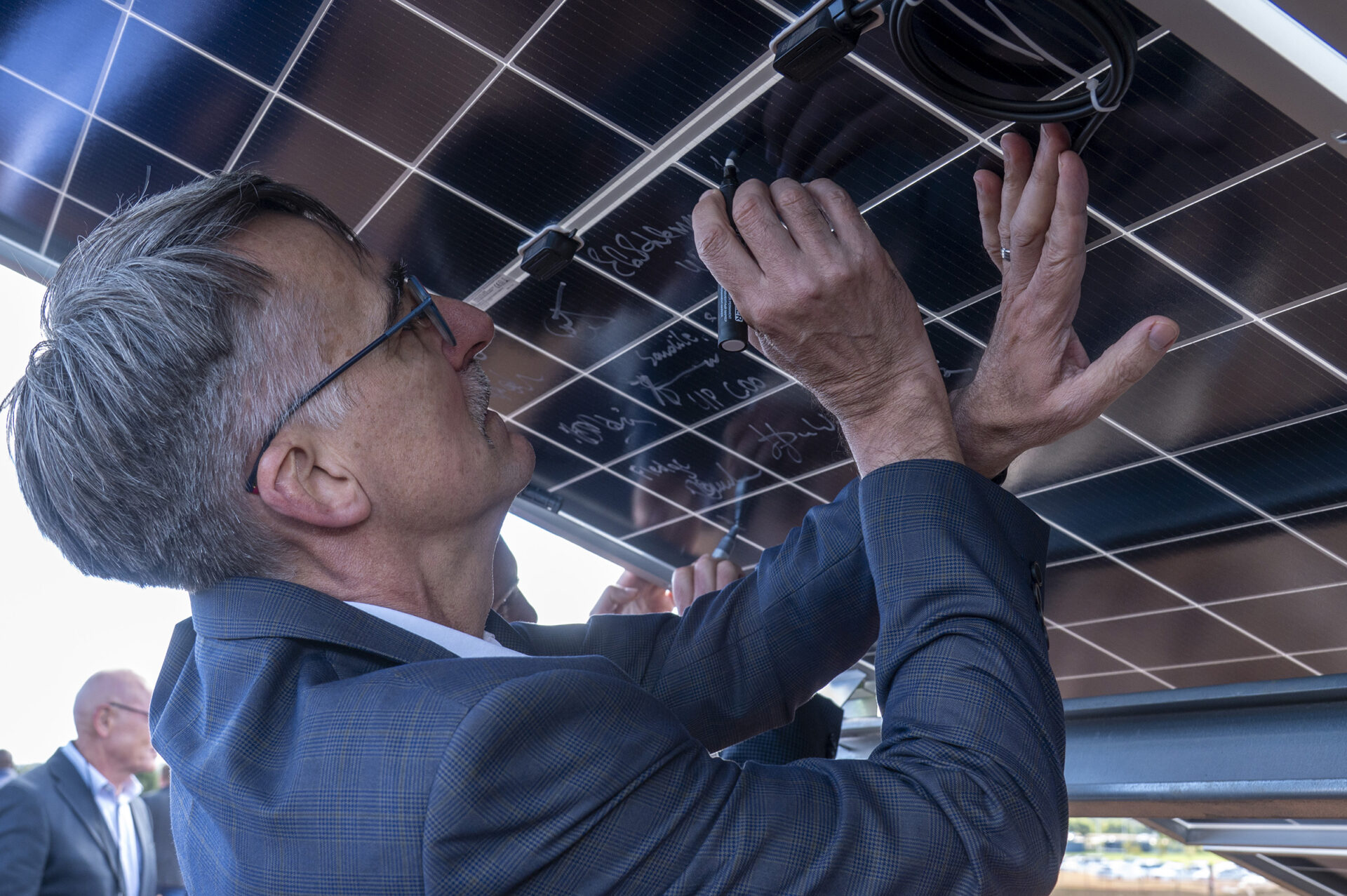
Another memorable highlight was the signing of the project’s first solar panel, referred to as the “Golden Table”. Within the solar industry, this tradition represents the formal activation of a solar project and serves as a commemorative record of the partnerships and individuals involved in the development journey.
Speaking at the event, Atterbury Group CEO Louis van der Watt highlighted the importance of meaningful public and private sector partnerships in unlocking sustainable infrastructure opportunities.
“This project is a powerful example of how universities and the private sector can work together to deliver shared value and shape the future, bringing together shared expertise, shared resources, and shared purpose to create meaningful impact,” said van der Watt.
He further noted that when partnerships are carefully planned and aligned around a common vision, they create long-term benefits not only for the institutions involved, but also for the broader communities they serve.
University of Pretoria Vice-Chancellor and Principal, Professor Francis Petersen, described the project as “a giant step forward in UP’s commitment to a sustainable, resilient, energy secure future.”
Petersen added that the solar facility would play an important role in reducing the University’s environmental impact while contributing towards long-term operational sustainability and energy resilience. He also emphasised the institution’s broader sustainability objectives and commitment to renewable energy adoption.
Construction on the solar PV facility is expected to continue throughout 2026, with the plant anticipated to become operational in December this year.