

 Understanding consumer behaviour in a mall is the key to keeping both shoppers and tenants happy. With FATTi’s hot new technology, shopping centres have a secret weapon. FATTi’s MD, Adrian Maguire, gives us insight into what this game-changing technology is all about
So in brief, how does the technology work?
Without giving trade secrets away, the technology enables us to monitor customer patterns in a mall via their wifi-enabled devices. We track information we can gather for the landlord about crowd movements and shopper behaviour and the effects of varying tenants within a shopping centre. This means we can give malls feedback about when, where and how people shop, which enables the mall to market more efficiently to their customers. So in brief, we detect, analyse and offer the opportunity to engage.
What has been FATTi’s biggest triumph in South Africa?
The technology has completely surpassed expectations, we were hoping it would work, and it has overachieved on all counts. We are thrilled by the accuracy and the type of information we are able to glean, and the solutions we can offer upon analysis of the data that we gather.
And in Namibia? Is there a big difference between the two territories?
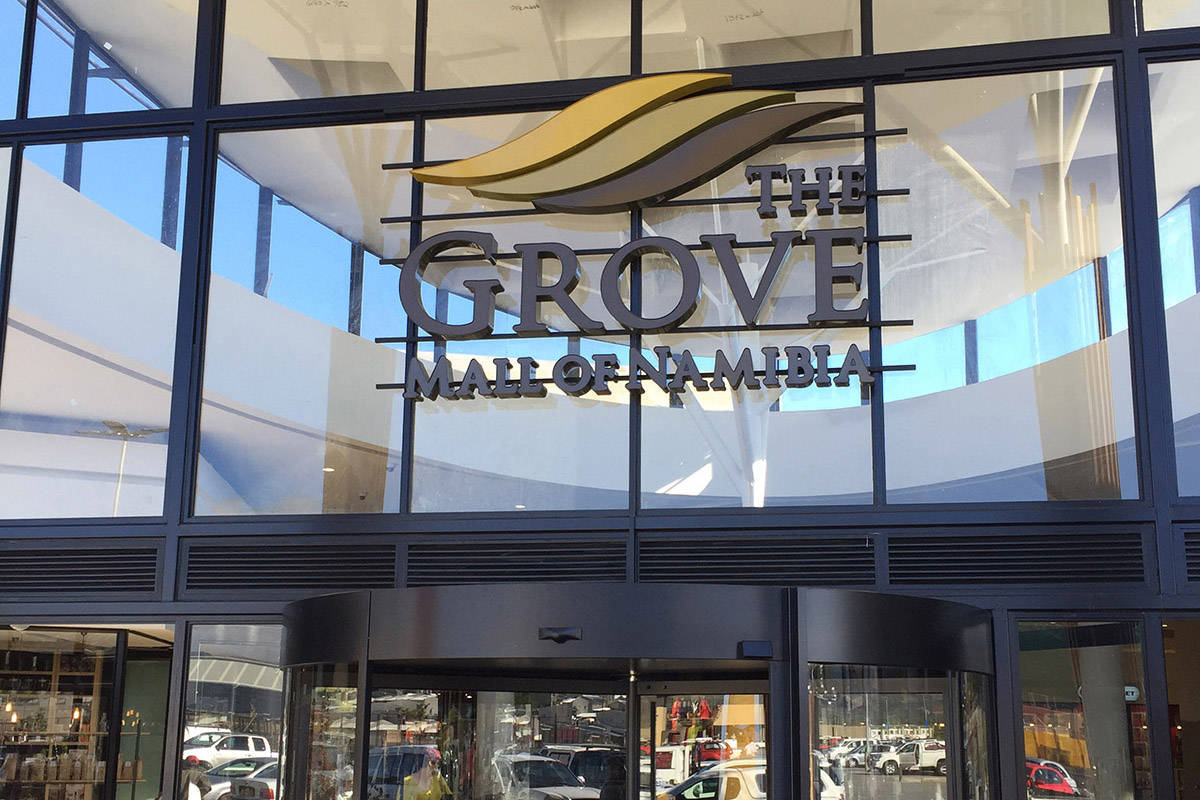
Yes, and that was most surprising. Newtown Junction in Johannesburg and The Grove in Windhoek are very similar in some ways – in terms of size, both being regional malls, in the general content and layout – but the patterns of the shoppers are completely different. The trends are similar, but different, in terms of trading times, total volumes, where people go first…. Each mall has its own personality and we can monitor that. The frequency of shoppers, for instance: one mall may have shoppers who return every couple of days, while the other has shoppers who favour coming once a week and staying for longer.
What was the biggest surprise?
Overall we didn’t expect the high numbers of people who have wifi devices – it has surpassed our expectations, and has made it possible for us to offer landlords a very rich analysis and engagement opportunity. How many people just browse and how many actually shop, how that changes throughout the week, and the month. We can now see the peaks, the type of shopper in a mall at a specific time, how long they stay, which areas are busiest, and when. It has really been amazing.
And do shoppers benefit too?
Yes they do. The system comes with an app that is tailored to the specific mall, and is geared to add considerable value for the shopper. It is linked to a loyalty programme that allocates points even just by being in a certain part of the mall, it allows shoppers to pay for parking via the app, and it helps them navigate the mall, and so on.
What is the level of engagement?
We found that 80% of people who come to the mall has a wifi-enabled device; 50% of those who do will log on to the wifi, and then 15 to 20% of those who log on download the app… and that obviously grows incrementally with time. We’re very happy with that.
Can you give us an example of a tenant who’s benefited from using the app?
We had a particular tenant in Newton Junction who wanted to understand where in the mall their customers were coming from, and then also, where these customers went after they left their store. What we discovered was that the vast majority of people who frequented this tenant’s store came from the gym, and went to the nearby chicken outlet afterwards. It also showed them what time of day was busiest. The analysis gave them a very clear idea of where and when to advertise, and they have seen an uplift in sales.
How many malls use it currently and what are your future projections for uptake?
Currently it is active only in Newtown Junction and The Grove, but we are in negotiations with many others, so by end 2016 we expect to be in 20 to 30 malls in South Africa, six in Mauritius, and two each in Ghana, Cyprus and Serbia.
To conclude, in short, what is the main benefit of the FATTi system for a landlord?
The system enables them to quantify the effects of marketing, it provides quantifiable stats that takes the guesswork out of marketing, and soon we will be able to do forecast predictions of, say, the effect of having month-end on a Friday as opposed to on a Wednesday. It’s a fantastic asset-management tool.