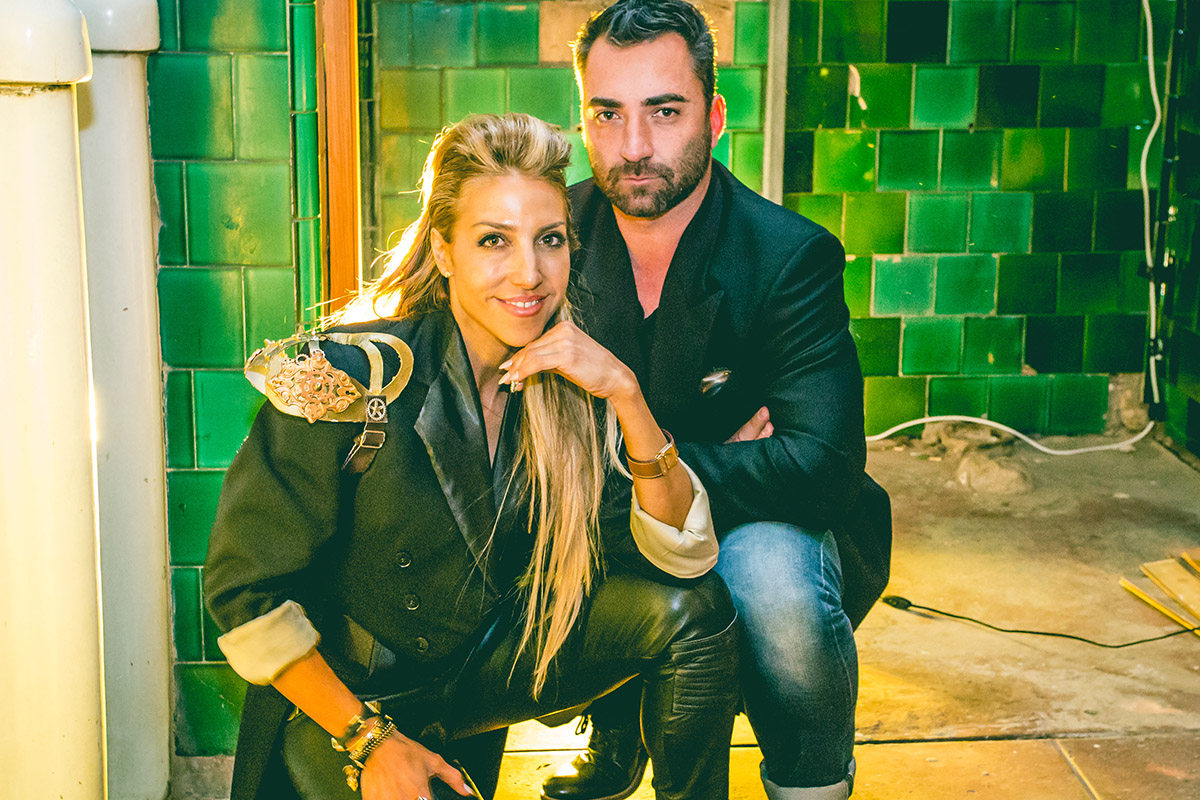


The Newtown Junction development, which has breathed new life into Jozi’s inner city, is arguably the edgiest development Atterbury has ever embarked on, with the restoration and reimagining of heritage buildings happening alongside the modern retail and office development. And who better to entrust with the reinvigoration of the historic Edwardian-era buildings than lifestyle architects extraordinaire Maira and John Koutsoudakis of the Life Group of Companies? We sat down with CEO Maira to get the lowdown on the newly opened Work | Shop | New | Town precinct.
A bit of background: How did it come about that you started working on projects with Atterbury? How many collaborations have you done so far?
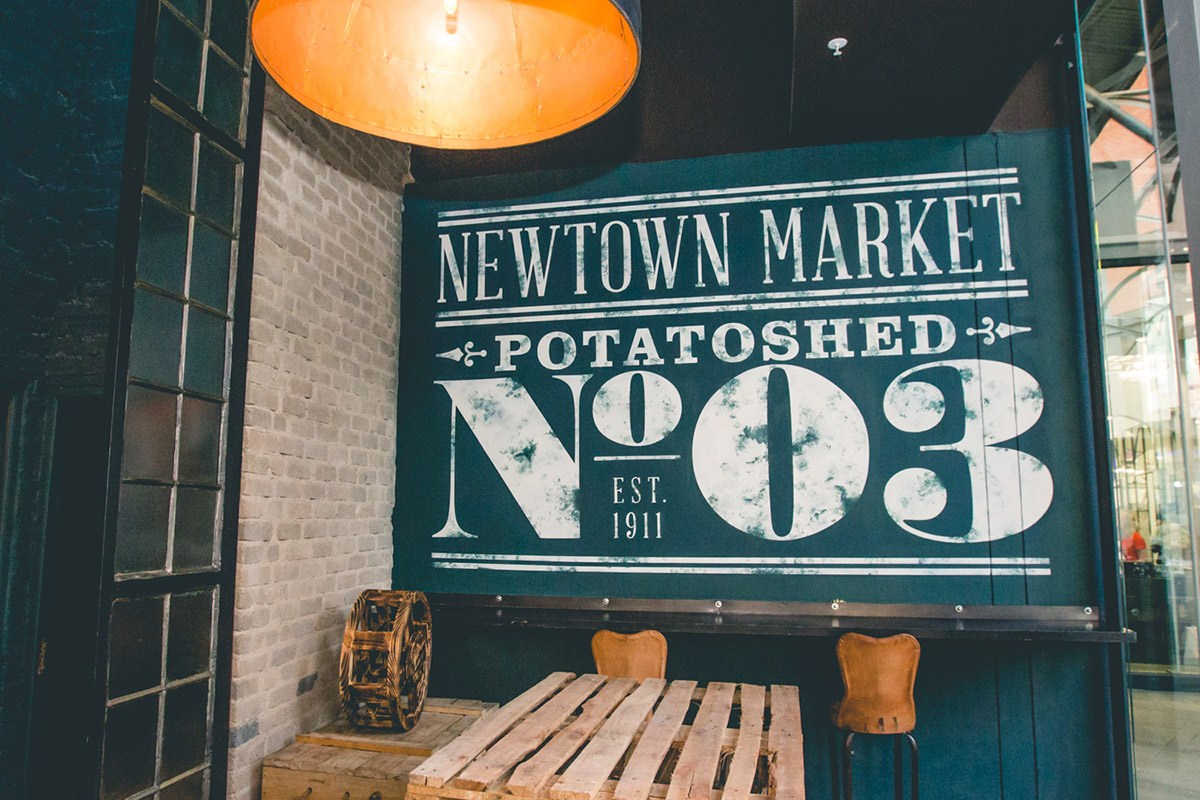
Great collaborations come about when common goals merge with like-minded philosophies; Atterbury and the Life Group of Companies now have five leases together! Based on the success of the two Life Grand Cafes in Atterbury’s portfolio, and Life’s design sensibility, Atterbury approached us to design and occupy the prime position of the 1911 Potato Shed, allowing a significant tenant installation as an incentive to attract an establishment of Life’s calibre and foot fall attracting power. I introduced Source’s Trevyn and Julian McGowan to Atterbury and the Newtown Junction development, which effectively became Work | Shop | New | Town.
Have you ever worked on a redevelopment of something with such historical significance?
Over the 15 years of our practice’s history, Life Interiors Architecture & Strategic Design has worked on a number of buildings with serious heritage credentials. Some highlights include the 280-year old coral buildings on the private North Island in the Seychelles which were converted from copra-plantation warehouses into a library and marine and dive centre, and the huge Apprentice penthouse suite in the 1905 National Bank building in Johannesburg for which we won ‘Best Urban Redevelopment’ from the UK’s International Property Awards. On the Greek Aegean island of Serifos, we incorporated three villagers’ houses into one sprawling villa built on the ruins of a 400-year old castle. We’ve also converted a Cape Dutch homestead into conference facilities for the advertising giant, Ogilvy. On Segera, our multi-award-winning project in Kenya, we converted stables on an old ranch in a nature reserve the size of Manhattan, into an art gallery for the Zeitz Foundation.
Tell us about the inspiration for the Potato Shed?
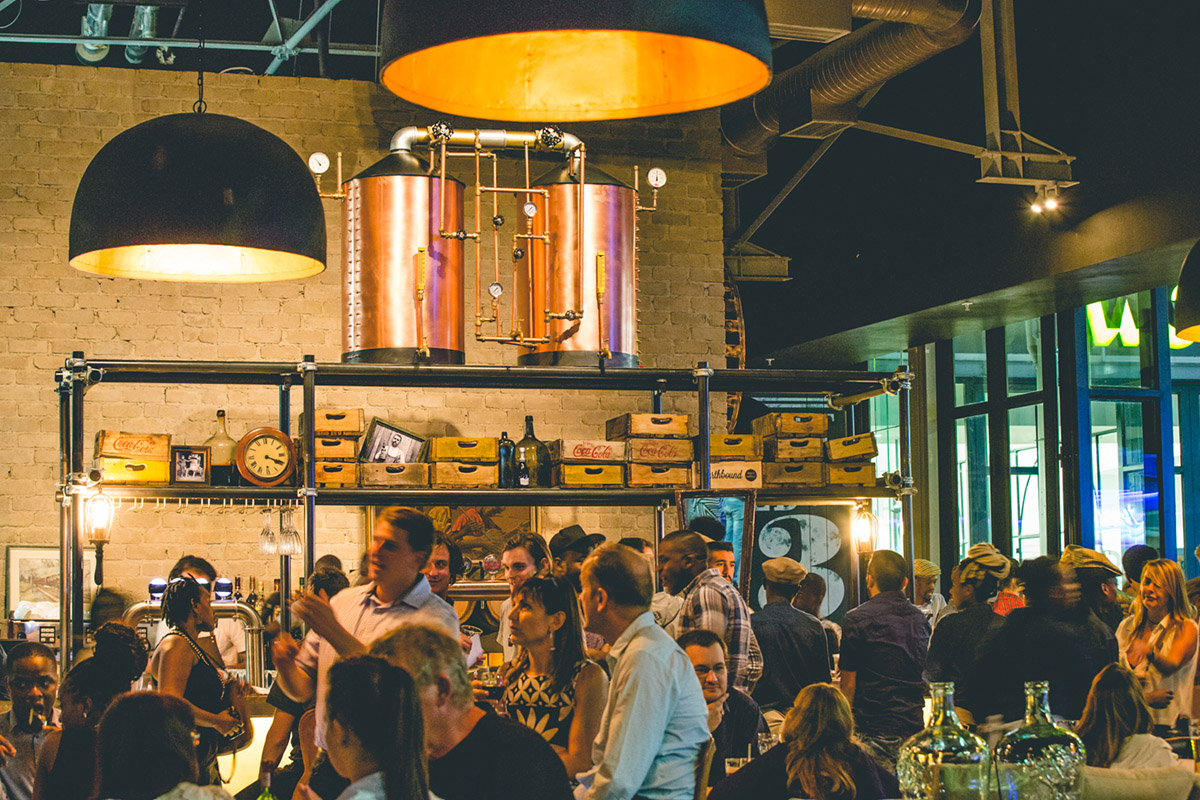
The heritage origins of this 104-year-old building inspired what you see today – the railway tracks, the humble potato, as well as the industrial craft aesthetic of the Potato Shed. This is combined with the influence of the area itself – think Miriam Makeba, Hugh Masekela and the Sophiatown groove. The Potato Shed is in view of the legendary jazz club Kippie’s and looks onto the newly expanded Market Theatre, effectively making it the new cultural heart of Jozi – both for locals and the tourist market keen to uncover the secret spirit of the city.
What historical elements did you retain? Did you face certain restrictions?
We retained the cast-iron roof trusses, steel columns and industrial detailing which were the only remaining features of the Potato Shed.
What are you personally proudest of with regards to this project?
I guess any opportunity to move from success to substance will always be my proudest moment. The opportunity to “be the change you want to see in the world”, to create viable value and investment in the city as part of the urban-regeneration project and the wider R3.1 billion investment which Atterbury has so bravely undertaken in this historical and cultural district of our city.